

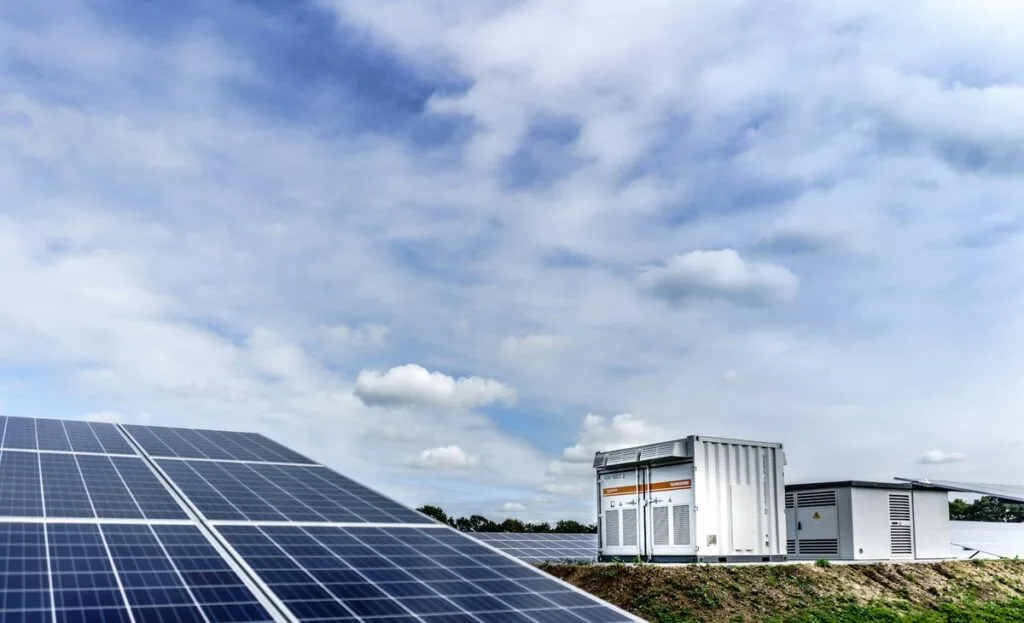

The solar battery storage market in India is expected to develop rapidly by 2025 due to lowering prices, strong government backing, and rising energy security demands. As the country moves toward its ambitious goal of 500 GW of green energy by 2030, the market is expected to hit $10 billion annually. Because of this rise, 2025 is the best year for Indian homes to buy solar systems with storage.
Solar battery storage systems collect excess energy from your solar panels during sunny hours and store it for later usage, power outages, or peak demand times. Installed solar panels seamlessly integrate with these systems, providing you with energy independence, cost savings, and a reliable backup power source.
Current Battery Pricing Reality in 2025
Actual Market Prices vs. Wholesale Claims
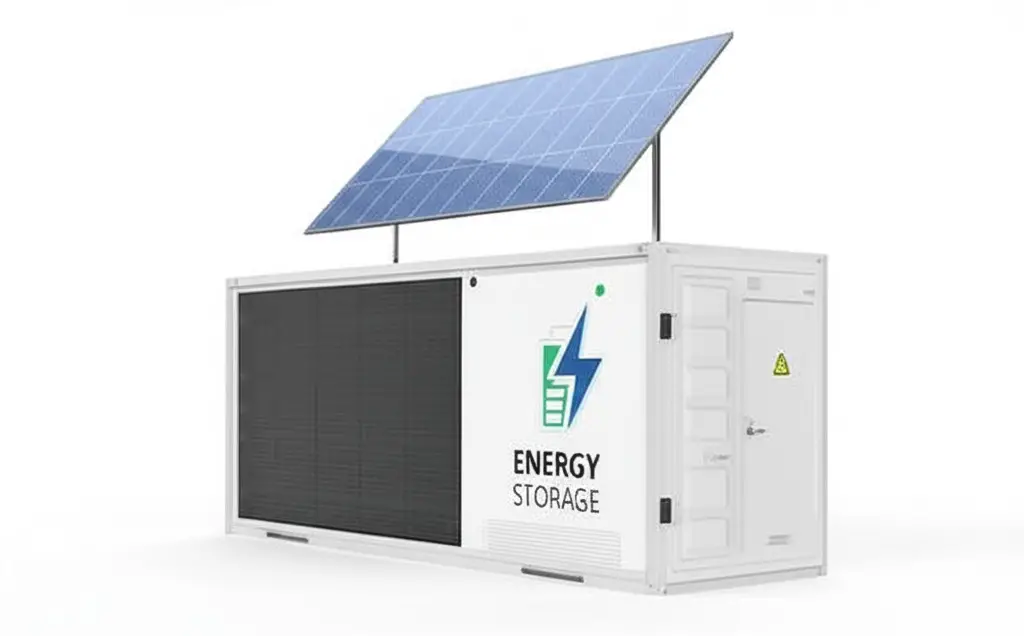
While some sources mention wholesale battery pack prices around $55–60 per kWh for large utility projects, the reality for home users is quite different. Based on current market data from major retailers, real residential battery costs in India are around ₹30,000 per kWh for quality lithium-ion batteries.
- 5 kWh home battery system: ₹1,50,000
- 10 kWh system: ₹3,00,000
This represents about a 6x markup from wholesale to retail prices due to:
- Battery management systems (BMS)
- Housing and safety equipment
- GST and dealer margins
- Installation costs
- Warranty and service support
Battery Performance Specifications
Modern lithium-ion batteries offer:
- 88-92% round-trip efficiency (not 95%, as often claimed)
- 3,000-6,000 charge cycles at 80% depth of discharge
- 10-15 year lifespan with proper maintenance
- Minimal maintenance requirements compared to lead-acid
Solar System Costs in 2025
Without Battery Storage
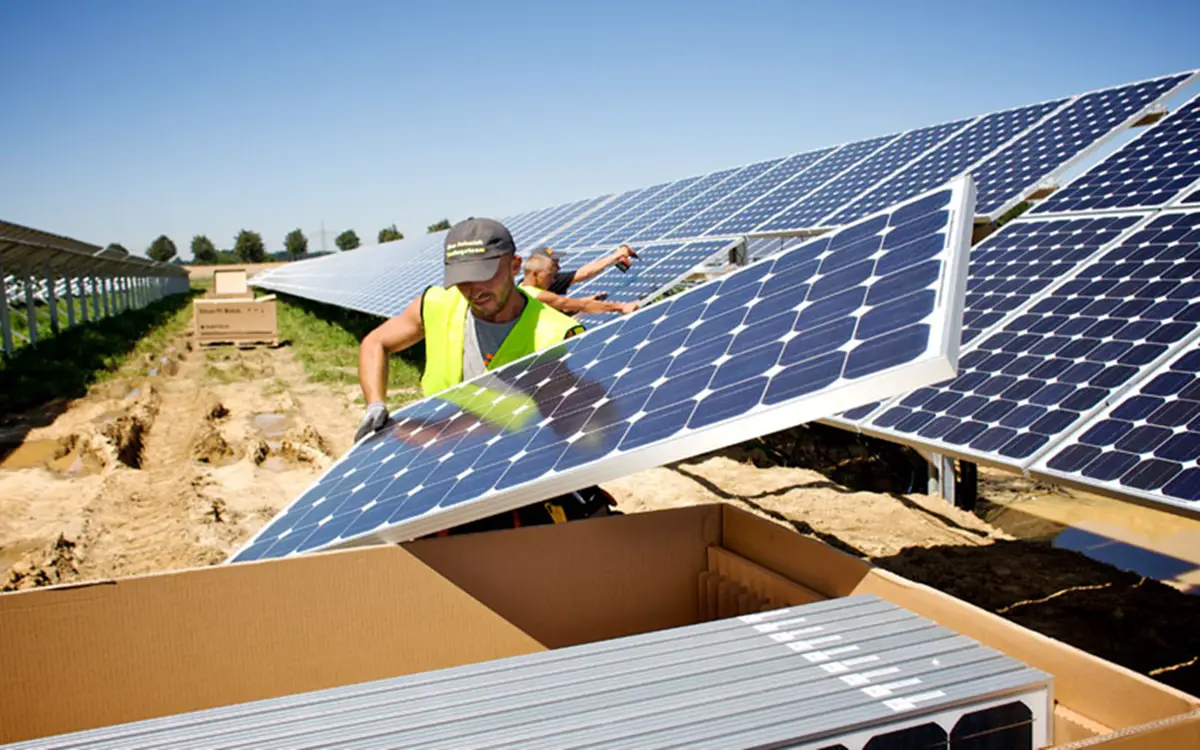
Based on current market rates, solar installation costs in India range from ₹40,000-55,000 per kW for quality systems:
| System Size | Cost Range (Before Subsidy) | Suitable For |
| 1 kW | ₹40,000 – ₹55,000 | Small homes (8-10 units daily) |
| 2 kW | ₹80,000 – ₹1,10,000 | 1-2 BHK homes |
| 3 kW | ₹1,20,000 – ₹1,65,000 | 2-3 BHK homes |
| 5 kW | ₹2,00,000 – ₹2,75,000 | Large families, small businesses |
| 10 kW | ₹4,00,000 – ₹5,50,000 | Large homes, commercial use |
With Government Subsidies
The PM Surya Ghar Muft Bijli Yojana provides substantial support:
Subsidy Structure:
- 1 kW system: ₹30,000 subsidy
- 2 kW system: ₹60,000 subsidy
- 3 kW and above: ₹78,000 maximum subsidy
After-subsidy costs:
| System Size | Original Cost | After Subsidy | Final Cost |
| 1 kW | ₹47,500 | ₹30,000 | ₹17,500 |
| 2 kW | ₹95,000 | ₹60,000 | ₹35,000 |
| 3 kW | ₹1,42,500 | ₹78,000 | ₹64,500 |
Complete Solar-Plus-Storage Costs
Realistic pricing for popular configurations:
| System Configuration | Total Investment |
| 3 kW + 2.5 kWh battery | ₹1,39,500 |
| 3 kW + 5 kWh battery | ₹2,14,500 |
| 5 kW + 5 kWh battery | ₹3,37,500 |
Government Support and Policy Framework
PM Surya Ghar Muft Bijli Yojana Details
- Budget Allocation:
- Total scheme outlay: ₹75,021 crore
- 2025 budget allocation: ₹20,000 crore (increased from ₹11,100 crore)
- Target: 1 crore households by 2027
- Launched: February 2024
Eligibility Requirements:
- Indian citizenship
- House ownership with a suitable roof
- Valid electricity connection
- No previous solar subsidy received
Energy Storage Policy Framework
- Storage Mandate: The Ministry of Power issued an advisory in February 2025 recommending a minimum 2-hour energy storage for new solar projects.
- Viability Gap Funding: A government-approved scheme providing up to 40% capital cost support for battery projects.
- Production Linked Incentive: ₹18,100 crore PLI scheme for battery manufacturing with 50 GWh capacity allocation.
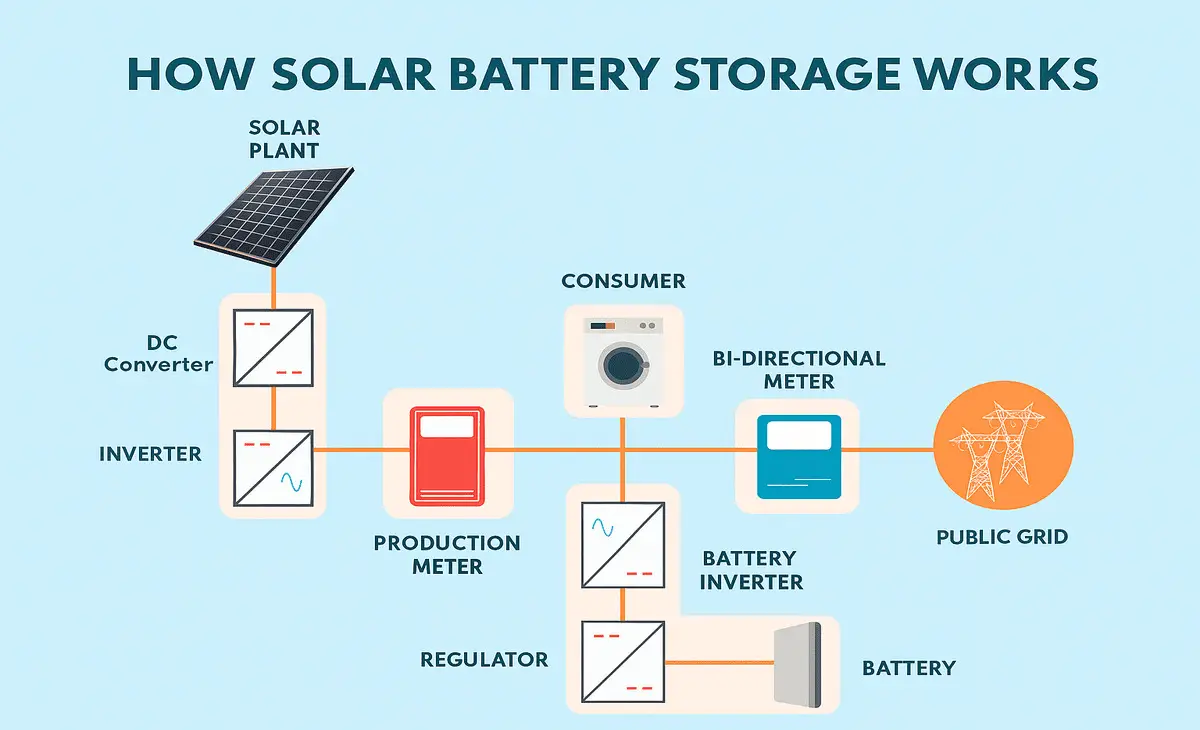
How Solar Battery Storage Works
System Components
- Solar Panels: Produce the most electricity between 10 AM and 4 PM by converting sunlight into energy.
- Battery Storage: Modern lithium devices can store extra power with an efficiency of 88-92%.
- Inverter: Converts stored DC battery power to AC energy for residential usage, with over 95% efficiency.
- Smart Management System: Controls charging and draining automatically based on power usage rates and trends.
Daily Operation Cycle
Solar panels provide energy for immediate consumption and charge the battery throughout the day. At nighttime, during overcast conditions, or during power failures, the battery automatically distributes stored energy to maintain power.
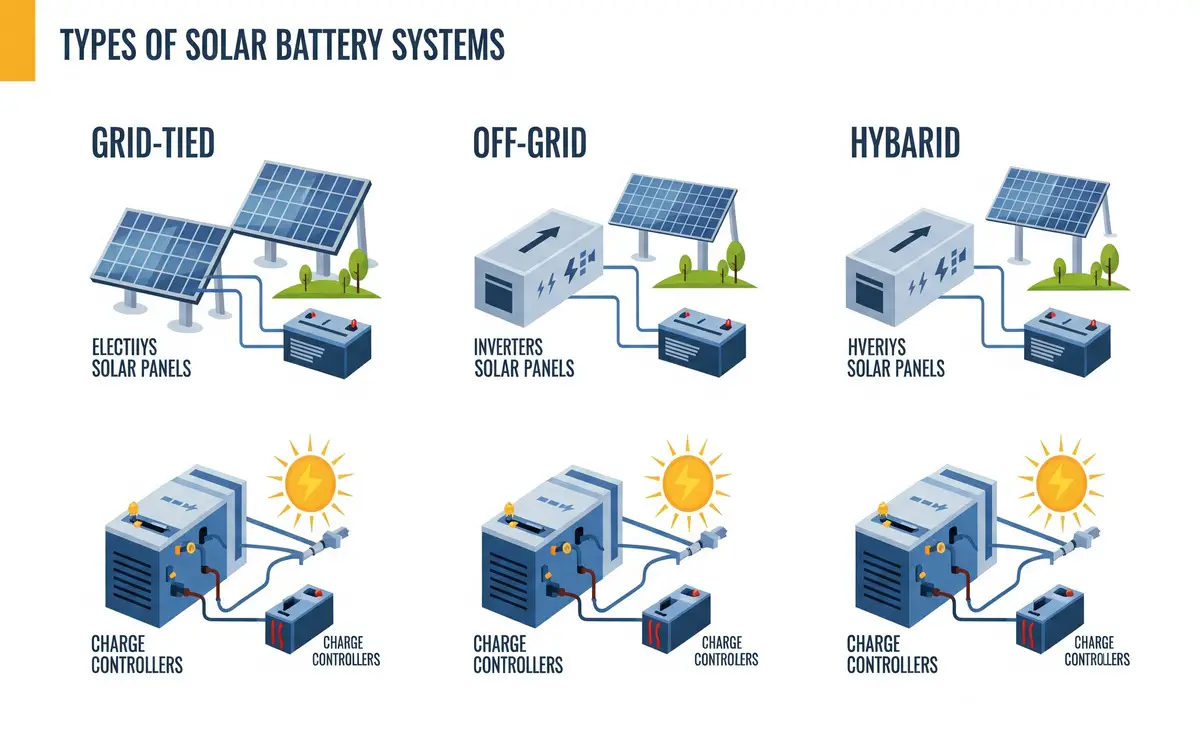
Types of Solar Battery Systems
- Grid-Tied Systems: Linked to the primary power network, these options are favored for their affordability and the advantages of net metering. When batteries reach their full capacity, any surplus solar energy is sent back into the grid.
- Off-Grid Systems: To function autonomously without relying on a grid, it is essential to have a more substantial battery capacity. These systems are perfect for locations where grid access is inconsistent.
- Hybrid Systems: By integrating the advantages of both methods, these systems seamlessly transition to battery power during outages while ensuring grid connectivity during regular operations.
Market Growth and Investment Outlook
Explosive Market Growth
India’s energy storage market shows remarkable expansion:
Market Size Projections:
- 2024: 233.78 MWh
- 2033: 6,637.31 MWh
- Growth Rate: 41.70% CAGR (2025-2033)
Investment Expectations:
- Battery storage investments are expected to exceed $1 billion in 2025.
- The solar-plus-storage market is targeting $10 billion annually.
- The sector is projected to attract ₹4.79 lakh crore investment by 2032.
Key Growth Drivers
- Renewable Energy Integration: Rapid spread of solar and wind power necessitates storage systems to handle intermittent power.
- Grid Modernization: Infrastructure in need of replacement; adaptable storage solutions ensure stability and reliability.
- Electric Vehicle Growth: EV charging stations are increasing the need for storage devices.
- Industrial Backup Power: Commercial sectors are in search of dependable power alternatives to diesel generators.
Financial Benefits and Payback Period
Realistic Payback Expectations
- Without battery storage: 4-6 years payback period
- With battery storage: 9-12 years payback period due to higher upfront costs
The payback period depends on:
- Local electricity tariffs
- Solar generation potential
- System size and efficiency
- Available subsidies and incentives
Monthly Savings Potential
Typical residential savings:
- ₹2,000-4,000 per month on electricity bills.
- Higher savings during peak rate periods.
- Additional income from excess power sales to the grid.
Long-term Financial Benefits:
Over a 25-year system lifetime, total savings can reach ₹8-15 lakhs depending on location and usage patterns.
Leading Solar Battery Brands in India
Established Manufacturers
- Waaree Energies: India’s largest solar manufacturer with comprehensive battery solutions.
- Tata Power Solar: 30+ years of experience with a strong after-sales support network.
- Exide Industries: A well-established battery manufacturer offering solar-specific solutions.
- Luminous Power Technologies: Popular residential brand with 3-5 year warranty options.
Emerging Players
- Loom Solar: Rapidly growing manufacturer of lithium batteries for residential applications.
- Okaya Power: Specializes in partial charging condition batteries with low maintenance.
- Boson Energy: Offering competitive lithium iron phosphate (LFP) battery solutions.
Installation Process and Timeline
Site Assessment
Professional evaluation includes roof condition, structural integrity, sun exposure analysis, and electrical system compatibility.
System Design
The system design is customized to account for energy consumption patterns, roof space, and budget considerations, ensuring maximum efficiency.
Regulatory Approvals
Applications for residential installations are processed through the National Portal (pmsuryaghar.gov.in) in a streamlined manner.
Installation Timeline
Typical residential solar battery installations are completed within 5-7 working days:
- Day 1-2: Mounting structure installation
- Day 3-4: Panel and electrical work
- Day 5: Battery integration and testing
- Day 6-7: Grid connection and commissioning
Energy Cost Comparison
Solar-Plus-Storage vs. Grid Power
Recent analysis shows solar-plus-storage systems can deliver electricity at competitive rates:
- Large-scale projects: Under ₹6 per kWh for utility-scale installations.
- Residential systems: ₹8-11 per kWh effective cost, including storage.
Grid electricity comparison:
- Average industrial tariffs: ₹7.9 per kWh
- Peak hour rates: ₹8-10 per kWh
- Diesel generator costs: ₹36 per unit

Future Technology Trends
Battery Technology Advances
- Solid-state batteries: Enhanced safety and longevity under development.
- AI-powered management: Smart systems optimizing charge/discharge cycles.
- Vehicle-to-grid integration: EVs serving as mobile energy storage.
Market Transformation
- Price projections: Battery costs are expected to fall further to $50-60/kWh by 2030.
- Manufacturing capacity: India is targeting 200 GWh battery production to become a global energy storage hub.
- Second-life programs: Retired EV batteries finding new use in stationary storage.
Making the Right Choice in 2025
Key Factors to Consider
- Energy consumption patterns: Analyze your monthly electricity usage and peak demand periods.
- Roof suitability: Ensure adequate space and structural capacity for solar panels.
- Local electricity rates: Higher grid tariffs improve solar storage economics.
- Budget and financing: Consider upfront costs vs. long-term savings potential.
When Solar-Plus-Storage Makes Sense
- ✓ High electricity bills (above ₹3,000/month)
- ✓ Frequent power outages in your area
- ✓ Peak hour electricity usage (evenings, early mornings)
- ✓ Long-term property ownership (10+ years)
- ✓ Available roof space (250-300 sq ft for a 3 kW system)
Final Decision
Solar battery storage provides a game-changing prospect for Indian families in 2025. Realistic battery prices of around ₹30,000 per kWh, full government support through the PM Surya Ghar Yojana, and a rapidly growing market for energy storage at 41.70% yearly all make it easier for many people to start using solar battery systems.
Things to remember for 2025:
- Solar-plus-storage systems cost ₹1.4–3.4 lakh for home installations.
- There is a maximum of ₹78,000 in help provided by the government for each family.
- Payback times of 9 to 12 years are reasonable, and the product will last for 25 years.
- The cost of batteries has decreased substantially; however, the retail price remains 6 times that of wholesale due to the expenses associated with system integration.
- A compound annual growth rate of 41.70% in the market reflects robust industry momentum.
Indian families considering going solar will find 2025 an opportune year, with lower prices, increased government support, and advanced technology making energy freedom a tangible reality. While the investment involves careful consideration of your energy demands, local circumstances, and finances, appropriate homes may reap long-term advantages.
Are you ready to explore solar battery storage solutions for your home in 2025?
