

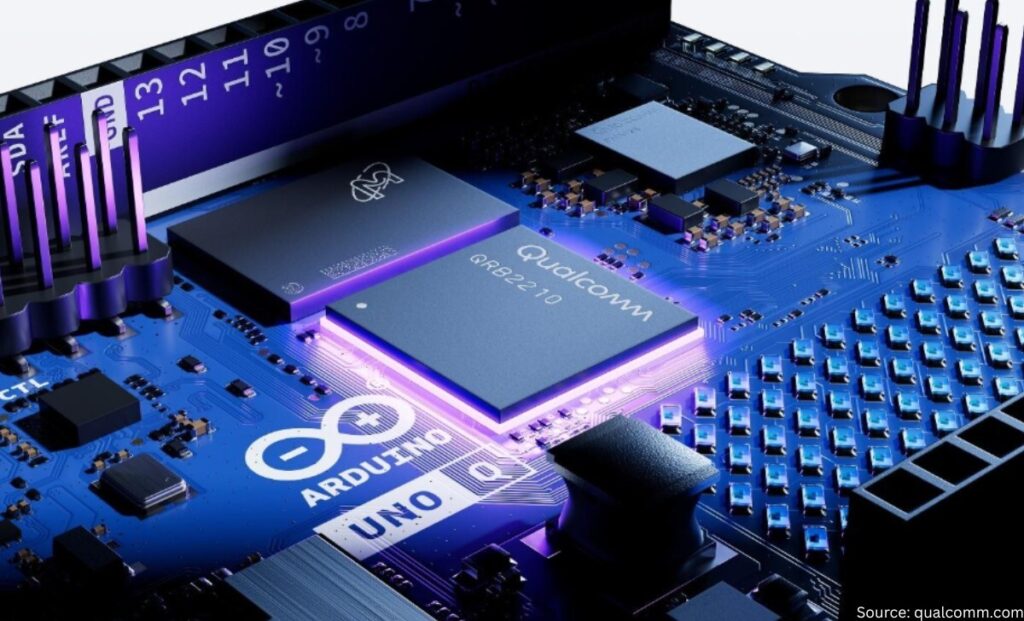

Qualcomm announced it acquired Arduino in a deal that’s sending shockwaves through technology circles worldwide. Arduino, famous for its open-source boards and software used by students, hobbyists, and engineers alike, will enter Qualcomm’s orbit—but the company vows Arduino keeps its own brand and mission.
Qualcomm, known mostly for mobile chips, wants more. In the past years, the U.S. tech giant started expanding into connected cars, wireless gadgets, laptops, and industrial machines—now it adds open-source electronics, instantly connecting with over 33 million Arduino developers across the globe.
What’s Really Changing?
Lots of folks worried a big corporation takeover means the end for what makes Arduino special. Qualcomm says no—Arduino won’t get merged, their tools and community stay the same. Qualcomm’s general manager Nakul Duggal even promised, “My success criteria is that the Arduino ecosystem doesn’t even feel that there is any change in ownership here.”
The deal gives Qualcomm first-hand access to the makers behind prototypes in robotics, automation, and IoT. Arduino is loved by students in school, budding inventors, and even by professional engineers building quick prototypes. The boards, while not used in finished commercial products, help experiment and prove new ideas. Once those ideas turn into business, Qualcomm’s chips hope to be part of the journey.
Meet the New Arduino: Powered by Qualcomm
With fresh investment, the first new Arduino board—Uno Q—is powered by a Qualcomm Dragonwing QRB2210 processor. Imagine a board with the power to run Linux, handle real-time robotics control, and even crunch basic computer vision for robots. It’s priced from $45 to $55, with two RAM and storage options, 2GB/16GB and 4GB/32GB, both aimed right at inventors needing brainpower for next-gen experiments.
The new Uno Q includes:
- CPU, GPU, and microcontroller—the “dual-brain” setup bridges heavy computing and fast, real-time control
- Debian Linux and Arduino compatibility, standard UNO shield support
- Bluetooth, Wi-Fi, built-in flash storage for quick connections and saving work
- New App Lab software tool, unifying robot coding, Linux apps, and AI
- Direct integration with Qualcomm’s AI platform for importing pre-trained models
The board lets anyone plug in a keyboard, mouse, and screen for stand-alone use, like a basic computer—just like the Raspberry Pi. Its developer ecosystem gets a boost by linking in AI model training thanks to Qualcomm’s own recent buyouts, like Edge Impulse.
Why This Acquisition Matters
Arduino users win big—more powerful, accessible developer kits should drop barriers for robotics and makers everywhere. It’s easier than ever to try advanced AI, edge computing, and real-time automation. With Arduino still open-source and brand-independent, beginners and pros can keep using familiar tools, now backed by Qualcomm’s resources.
For Qualcomm, this is a play to grow beyond the phone chip business, especially as companies like Apple shift to building their own modem hardware. Robotics, IoT, and automotive chips already make up 30% of Qualcomm’s chip sales in the latest quarter, and this deal should grow that figure. Direct competition with companies like Nvidia heats up, each racing to supply developer kits for next-gen robots, sensors, and autonomous vehicles.
Nakul Duggal calls it a “supercharge” moment for innovation at the edge — those smart sensors and robots that work outside of data centers.
Industry Voices: Makers React
Long-time Arduino fans feared the big takeover, but official statements from both companies insist “no major operational or management changes.” The UNO Q board gets the latest Qualcomm tech, yet Arduino continues selling microcontroller boards from other companies like STMicroelectronics and NXP. That means more choice for developers, not less.
Fabio Violante, Arduino CEO, tells users “The launch of UNO Q is just the beginning – we’re excited to empower our global community with powerful tools that make AI development intuitive, scalable, and open to everyone.”
What’s Next for Arduino and Qualcomm?
- Independence: Arduino keeps its brand, tools, and community, promising no disruption.
- Innovation: Qualcomm powers new boards with real AI and edge computing.
- Market Impact: Expect cheaper, more advanced developer kits for robotics and automation.
- Commercial Use: Ideas tested on Arduino can shift easily into products running full Qualcomm chips.
- Global Reach: Millions of creators worldwide get direct access to Qualcomm’s tech.
