
OpenAI lines up ads to push ChatGPT access wider
OpenAI is testing clearly labeled ads in ChatGPT’s free and Go tiers to keep AI access affordable, protect privacy, and leave premium plans ad‑free.


OpenAI is testing clearly labeled ads in ChatGPT’s free and Go tiers to keep AI access affordable, protect privacy, and leave premium plans ad‑free.

The US has cleared Nvidia’s H200 AI chips for export to China, but only with strict volume caps, third‑party testing, and bans on military use, reshaping the global AI chip race.

Belgium’s Aikido Security just turned into Europe’s fastest cybersecurity unicorn after a $60 million Series B at a $1 billion valuation, driven by its AI‑ready, developer‑first security platform and rising US demand.
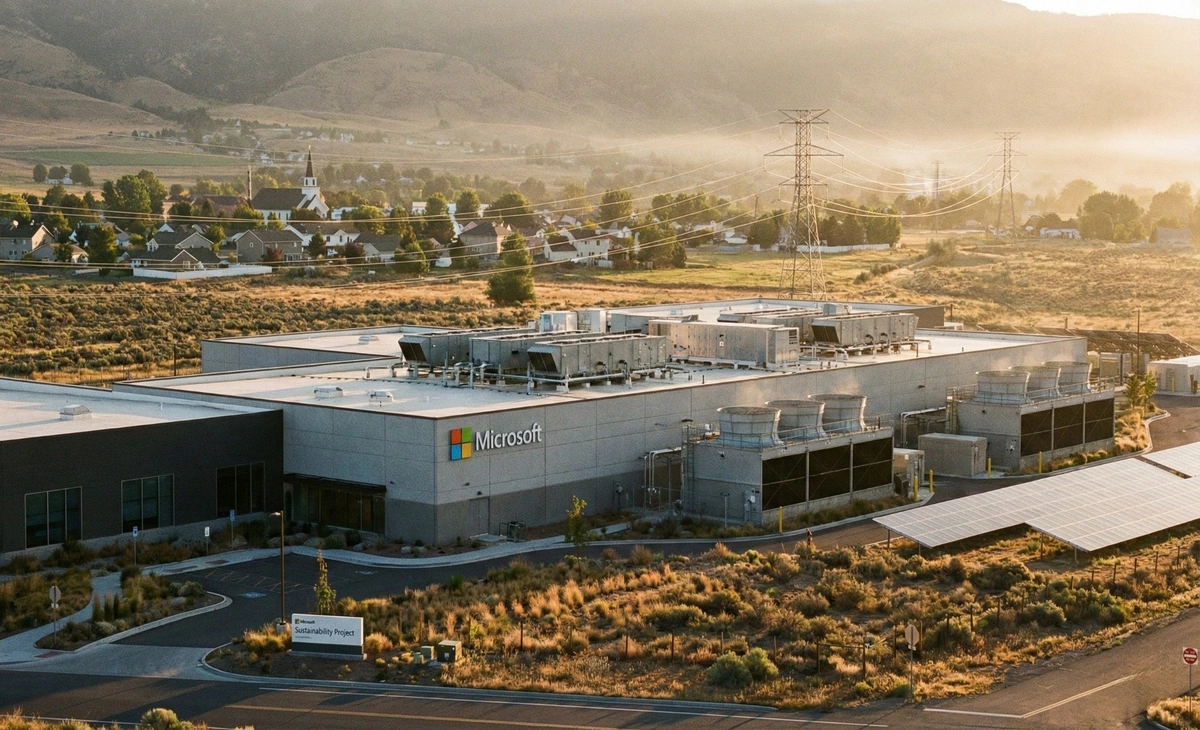
Microsoft has launched a Community-First AI Infrastructure plan that promises data centers will not raise local power bills and will sharply cut and replenish water use across U.S. sites.
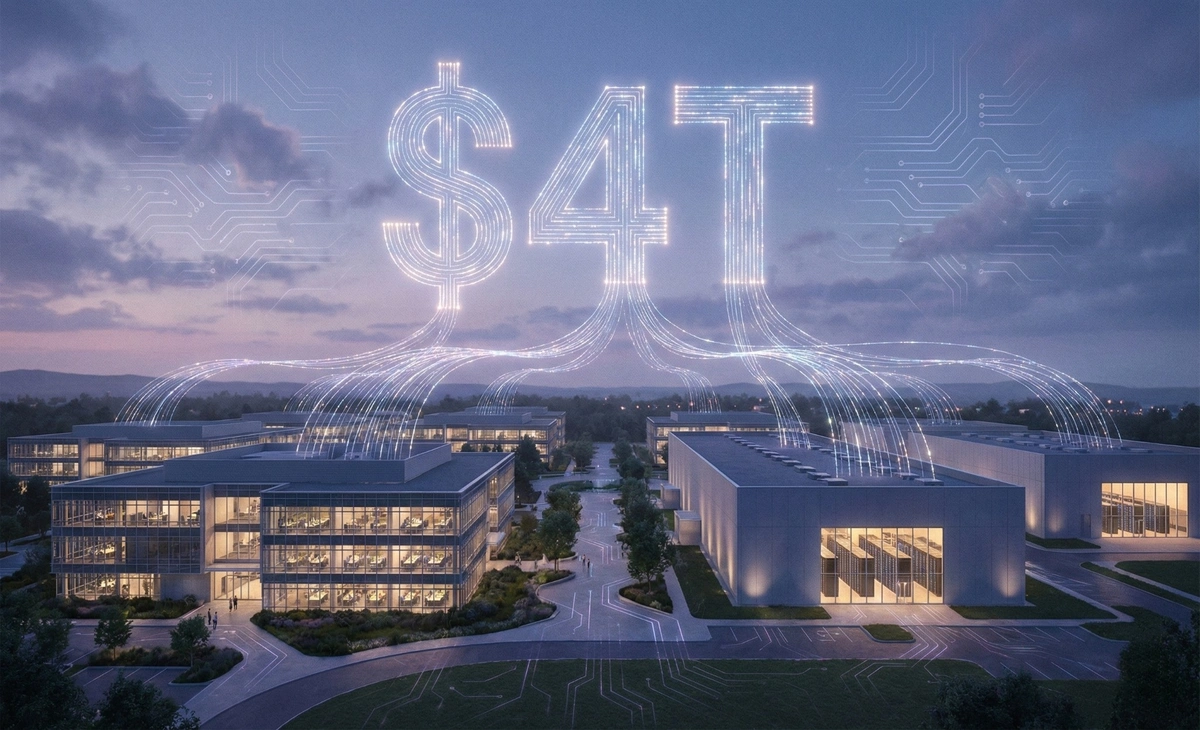
Alphabet has smashed through the $4 trillion mark, riding a sharp refocus on AI, cloud and in‑house chips that has turned doubt into fresh optimism on Wall Street. The Google parent is now the world’s second most valuable company, and its AI bet is just getting started.

Meta has struck 20‑year nuclear power deals with Vistra, Oklo and TerraPower, unlocking up to 6.6 GW of clean baseload energy to run its next wave of AI data centers in Ohio and Pennsylvania.
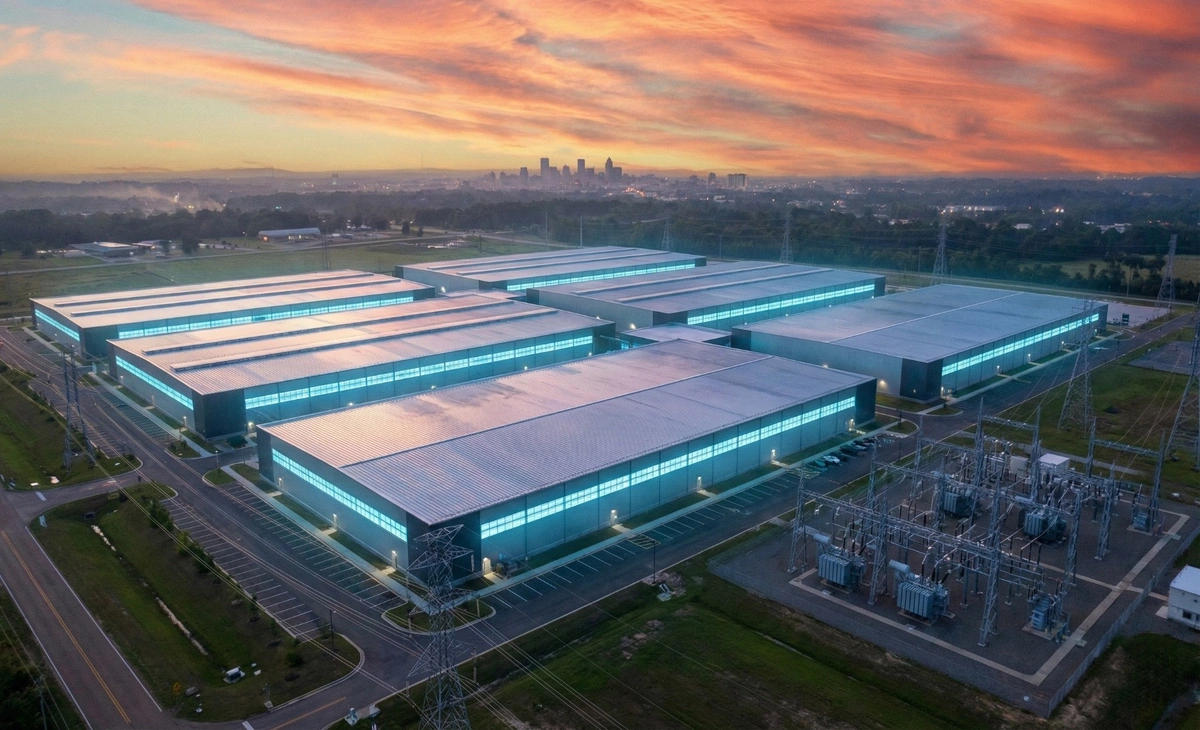
Elon Musk’s xAI is bringing a $20 billion AI supercomputer hub to Southaven, Mississippi, promising hundreds of jobs, 2GW of compute and the biggest private investment in state history, while facing rising environmental questions.
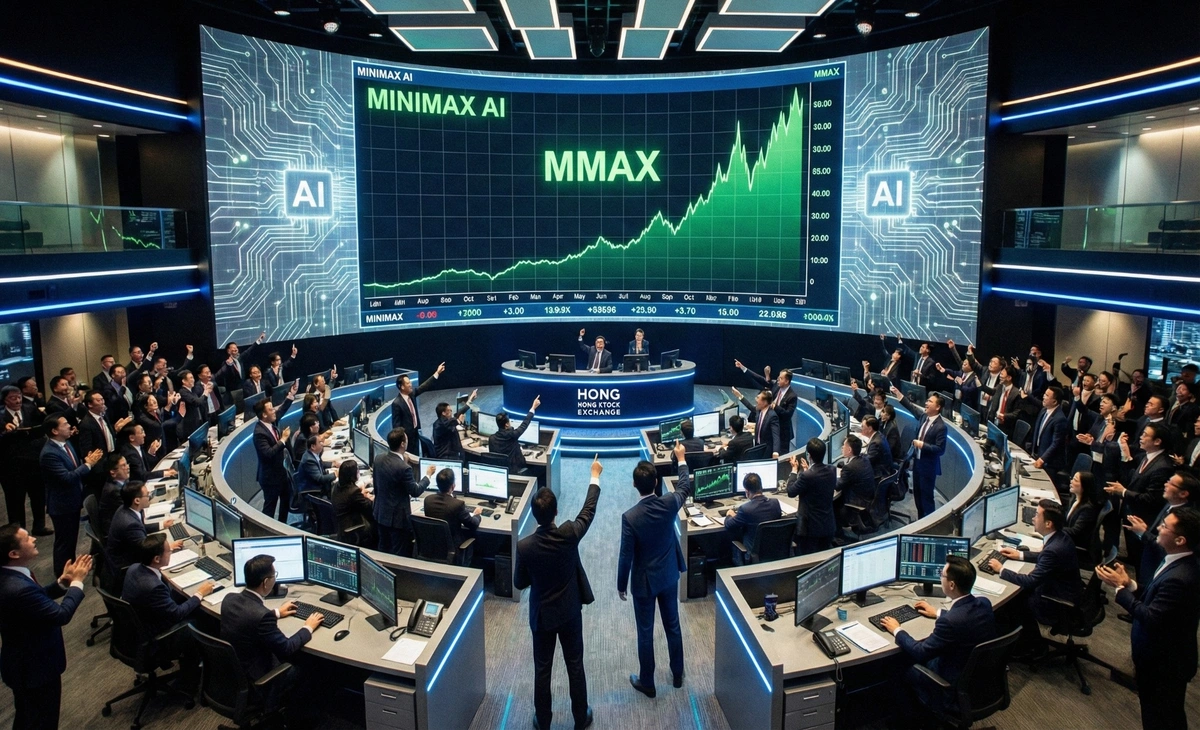
MiniMax, the Shanghai-based AI startup tagged as China’s second “AI tiger”, exploded as much as 90% on its first trading day in Hong Kong after raising about HK$4.8 billion. The debut outshined rival Zhipu AI and underlined red‑hot investor demand for homegrown generative AI champions.
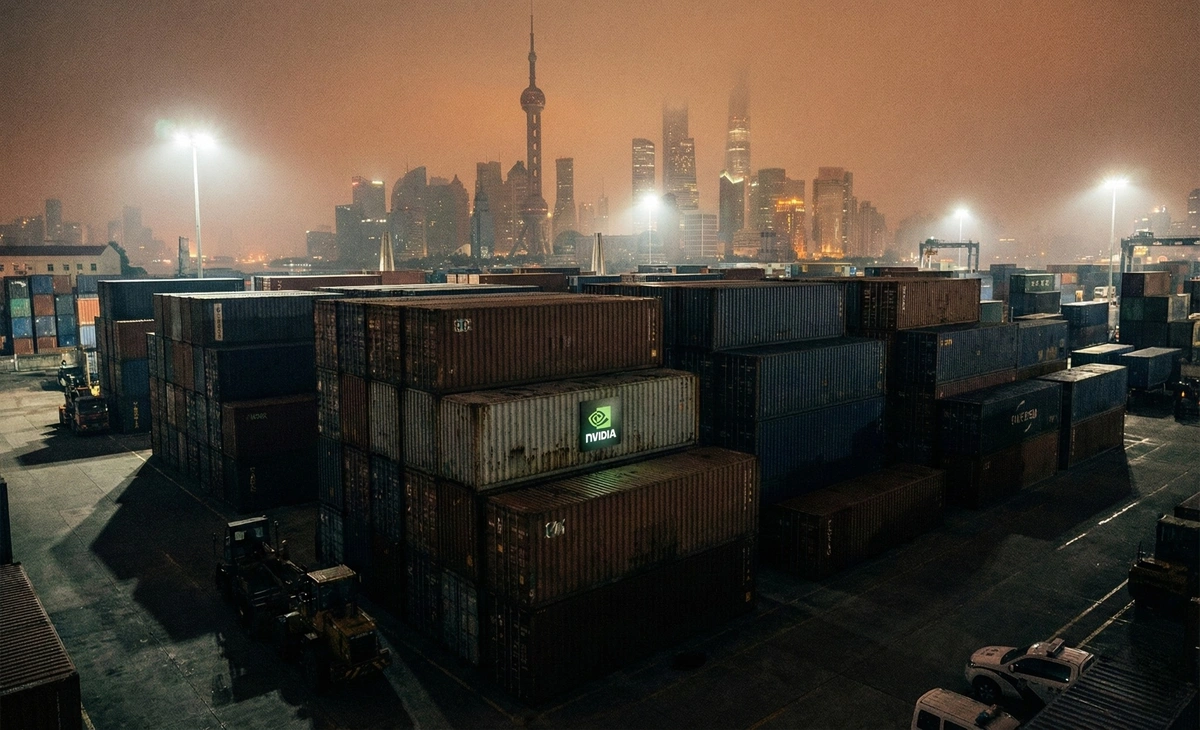
Nvidia is forcing Chinese buyers of its H200 AI chips to pay the full bill before a single GPU ships, with no refunds or changes allowed. The move shows how fragile AI chip trade has become as Washington and Beijing keep changing rules on both sides of the Pacific.