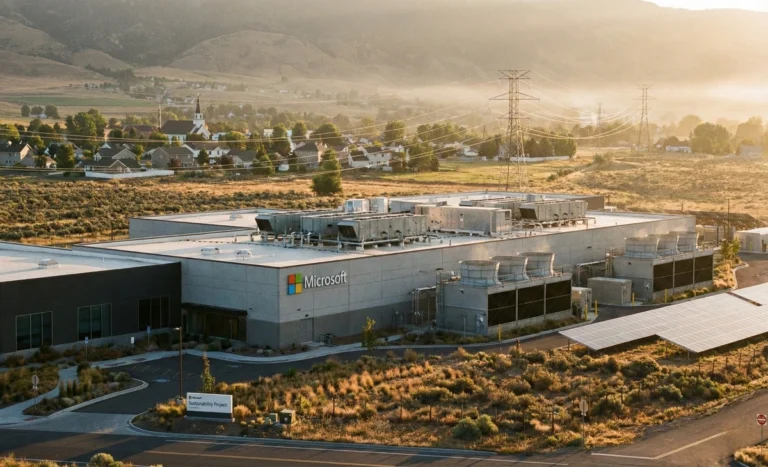
Microsoft’s AI data centers get a community-first reset
Microsoft has launched a Community-First AI Infrastructure plan that promises data centers will not raise local power bills and will sharply cut and replenish water use across U.S. sites.



Read breaking (tech news) on AI, cybersecurity, and digital transformation. Get updates on innovations shaping software, hardware, and smart systems today.
Microsoft has launched a Community-First AI Infrastructure plan that promises data centers will not raise local power bills and will sharply cut and replenish water use across U.S. sites.
Alphabet has smashed through the $4 trillion mark, riding a sharp refocus on AI, cloud and in‑house chips that has turned doubt into fresh optimism on Wall Street. The Google parent is now the world’s second most valuable company, and its AI bet is just getting started.
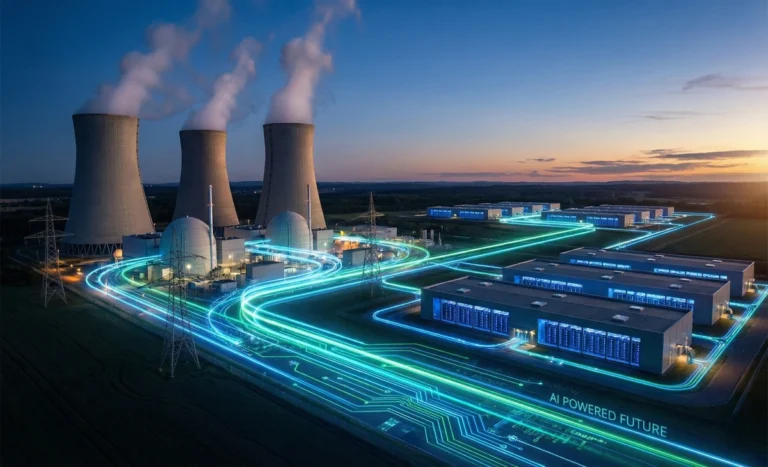
Meta has struck 20‑year nuclear power deals with Vistra, Oklo and TerraPower, unlocking up to 6.6 GW of clean baseload energy to run its next wave of AI data centers in Ohio and Pennsylvania.
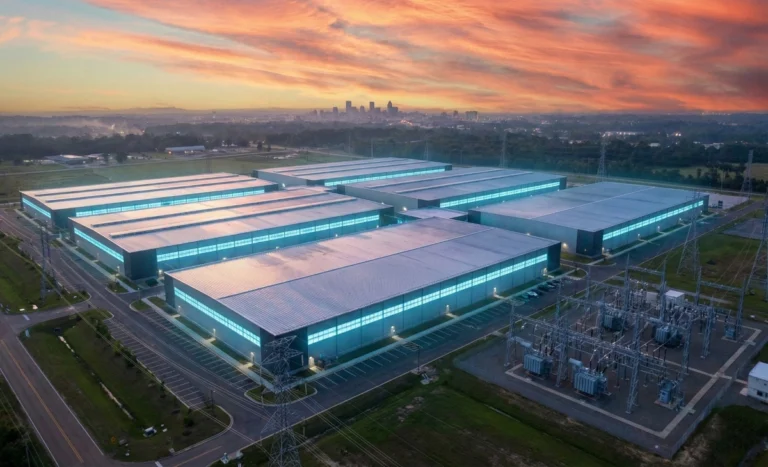
Elon Musk’s xAI is bringing a $20 billion AI supercomputer hub to Southaven, Mississippi, promising hundreds of jobs, 2GW of compute and the biggest private investment in state history, while facing rising environmental questions.
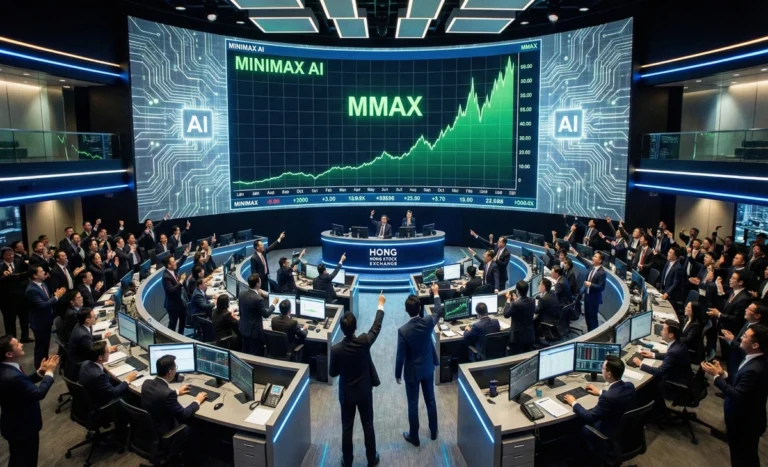
MiniMax, the Shanghai-based AI startup tagged as China’s second “AI tiger”, exploded as much as 90% on its first trading day in Hong Kong after raising about HK$4.8 billion. The debut outshined rival Zhipu AI and underlined red‑hot investor demand for homegrown generative AI champions.
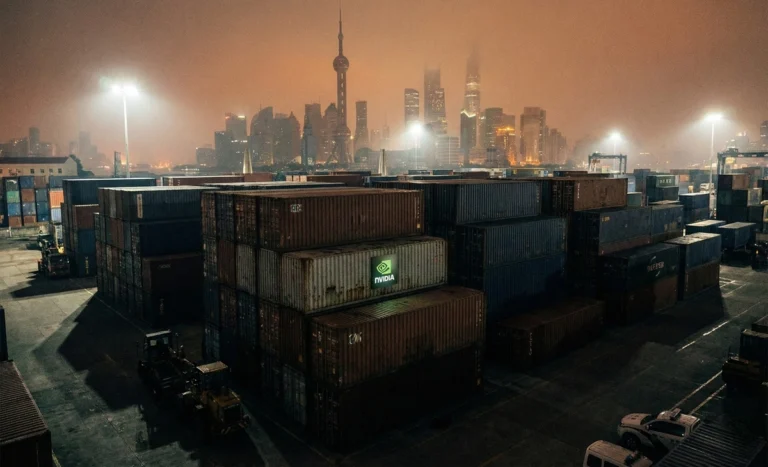
Nvidia is forcing Chinese buyers of its H200 AI chips to pay the full bill before a single GPU ships, with no refunds or changes allowed. The move shows how fragile AI chip trade has become as Washington and Beijing keep changing rules on both sides of the Pacific.

China’s commerce ministry has begun reviewing Meta’s 2 billion dollar purchase of AI startup Manus, asking if the shift of staff and code to Singapore and the sale to Meta needed an export license under Chinese law, in a move that could reshape future cross‑border AI deals.
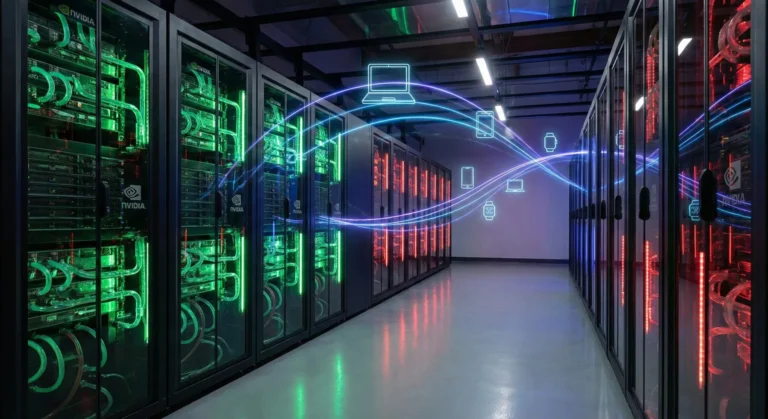
Lenovo has expanded its AI lineup with Nvidia, unveiling an AI Cloud Gigafactory program and the Qira personal AI platform at CES 2026. The partnership aims to cut AI data‑center deployment to weeks and link Lenovo–Motorola devices through one cross‑device assistant.
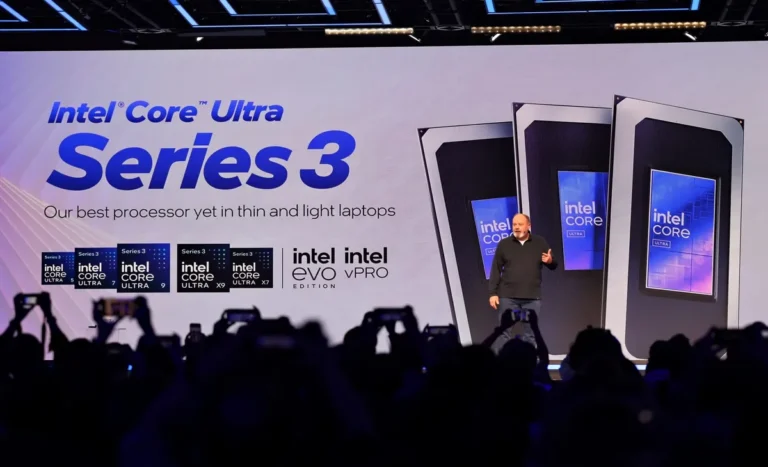
Intel is using CES 2026 to push a new AI PC wave with its Core Ultra Series 3 chips, the first built on the advanced Intel 18A process and tuned for gaming, creation, and edge workloads across more than 200 laptop designs.

A U.S. judge has refused to dismiss a class-action accusing Amazon of Covid‑era price gouging, citing “unpersuasive” defenses and massive spikes on basic goods between 2020 and 2022.

Samsung is making a huge push in phone AI. The company plans to double its Gemini-powered Galaxy devices to 800 million units in 2026, after shipping about 400 million AI-ready phones and tablets last year. The move targets Apple and fast-growing Chinese brands in the global AI race.
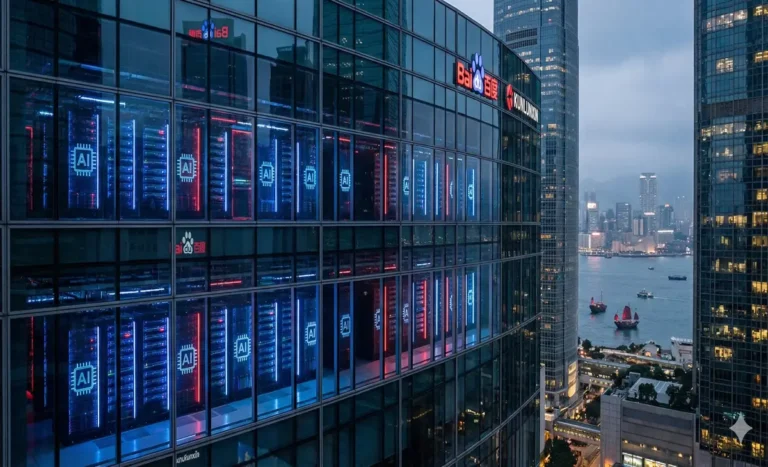
Baidu’s AI chip unit Kunlunxin has confidentially filed for a Hong Kong IPO, aiming to unlock value in China’s fast‑growing AI hardware race. The deal lands amid a flood of Chinese AI and chip listings and deepening US‑China tech tensions over advanced processors.