

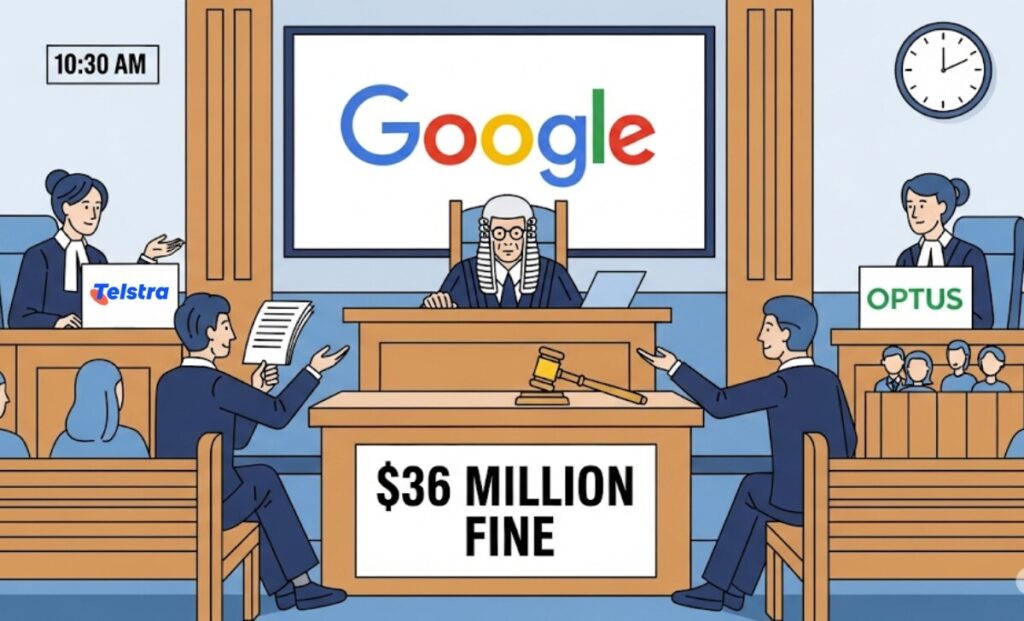

Google has agreed to pay a penalty of 55 million Australian dollars (about $36 million) after Australia’s national competition watchdog uncovered that the tech giant entered into anti-competitive agreements with the nation’s two largest telecommunications companies, Telstra and Optus. These arrangements, in force for 15 months up until March 2021, effectively limited consumers’ access to alternative search engines on Android devices and sparked widespread regulatory concerns surrounding competition in the digital ecosystem.
Details of the Case
The Australian Competition and Consumer Commission (ACCC) initiated proceedings against Google following its investigation, which revealed the company had paid Telstra and Optus to pre-install the Google Search application as the default—and often the only—search engine on Android phones distributed in Australia. In exchange, the telcos received a share of revenue from advertising generated through user searches on these devices.
Such agreements stripped consumers of choice and effectively excluded rival search engines from a significant segment of Australia’s smartphone market. The ACCC argued this decreased both competition and innovation, ultimately impacting consumers with potentially higher costs and reduced service quality.
Court Proceedings and Google’s Response
The matter, brought before the Australian Federal Court, resulted in Google accepting a court-enforced undertaking to eliminate the restrictive practices from its commercial contracts moving forward. The company also admitted its actions likely led to “substantially lessening competition,” according to a statement from the ACCC.
“We’re pleased to resolve the ACCC’s concerns, which involved provisions that haven’t been in our commercial agreements for some time,” Google said in an official statement. The company further pledged to remove default pre-installation requirements and similar restrictions from future deals.
ACCC Chair Gina Cass-Gottlieb commented, “Conduct that restricts competition is illegal in Australia because it usually means less choice, higher costs, or worse service for consumers. Importantly, these changes come at a time when AI search tools are revolutionizing how we search for information, creating new competition.”
Industry and Regulatory Ripple Effects
Australian regulators view the settlement as a critical step in ensuring healthy competition and preventing large technology firms from using their market power to foreclose market access for competitors. The ACCC’s recent actions underline a growing trend among global regulators keen on holding Big Tech accountable for anti-competitive practices, especially those that limit consumer choice in the digital marketplace.
The case shows that many governments around the world are paying more attention to big tech companies, often imposing large fines for actions that hurt competition in the market.
Commitments from Telcos
Telstra, Optus, and their smaller rival TPG Telecom have since agreed to court-endorsed undertakings, pledging not to renew or engage in future deals that could limit search engine choices for their customers. The ACCC will monitor compliance and assess the effectiveness of these measures in restoring robust competition in Australia’s digital landscape. These commitments aim to ensure that new devices come with more open search options, offering genuine alternatives to Google when consumers first set up their smartphones.
What Happens Next?
While the $36 million settlement is significant, the Federal Court will determine whether the penalty sufficiently reflects the scale of harm caused. The outcome of this process may guide how Australian authorities, and potentially international regulators, evaluate similar cases in the future.
As consumers increasingly rely on digital search platforms for everyday information, fair competition and consumer choice remain at the center of regulatory strategy. The ACCC encourages users to review device settings and consider switching search options if possible, as the market undergoes transitions shaped by regulatory intervention.
Conclusion
The Australian case against Google marks another chapter in the global push to rein in large technology firms and foster a more competitive, open marketplace for digital services. For Google and other market leaders, the message is clear: anti-competitive practices will continue to attract serious penalties and regulatory scrutiny.
References & Further Reading:
