

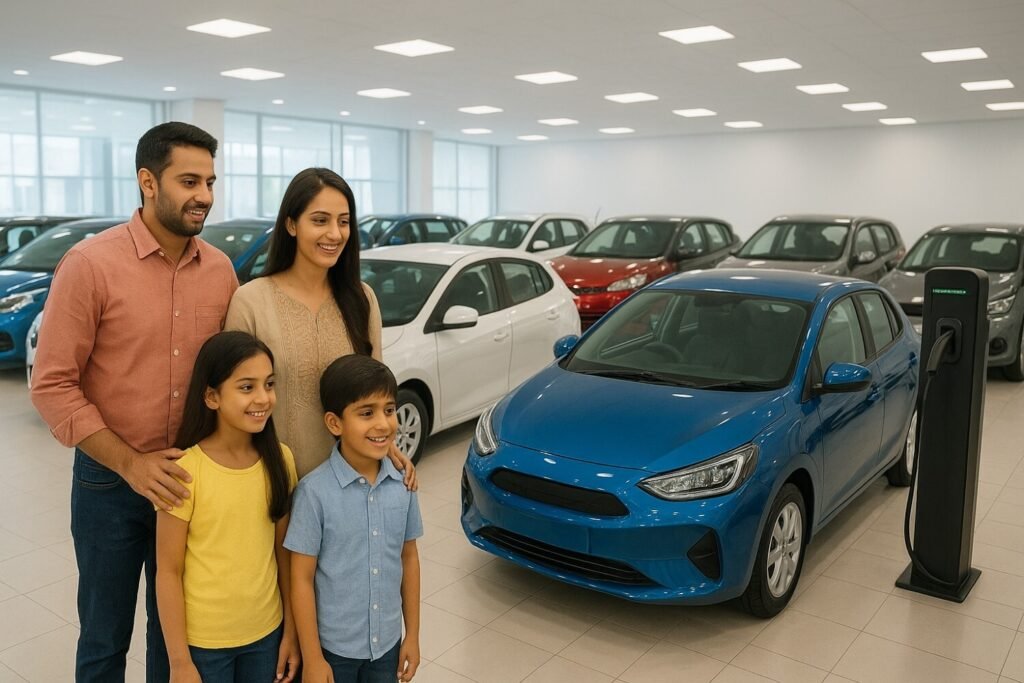

Electric cars are finally becoming accessible for regular Indian families.
Today, you have 10 solid options under ₹15 lakhs that actually make sense for daily city driving.
And honestly, with petrol prices touching ₹110+ per liter in many cities, these electric options are starting to save you serious money every month.
Let me walk you through the complete list of affordable electric hatchbacks that work for our roads, our budgets, and our real-world driving needs.
Why Electric Hatchbacks Are Perfect for Indian Families
Here’s the reality about Indian driving patterns.
Most families drive 30-60 km daily within the city limits.
School drops, office commutes, grocery runs, weekend mall visits – rarely do we need more than 100 km range in a single day.
Electric hatchbacks are designed exactly for this usage pattern.
They’re compact for tight parking spots, silent for peaceful drives, and incredibly cheap to run once you own them.
The economics work in your favor.
While upfront costs might feel higher, you’ll recover the difference through fuel savings and lower maintenance over 3-4 years.
Think about it – electricity costs ₹6-8 per unit while petrol is over ₹100 per liter across most Indian cities.
That’s a massive monthly saving when you calculate 1,000+ km driving.
Complete List: Top 10 Affordable Electric Hatchbacks in India
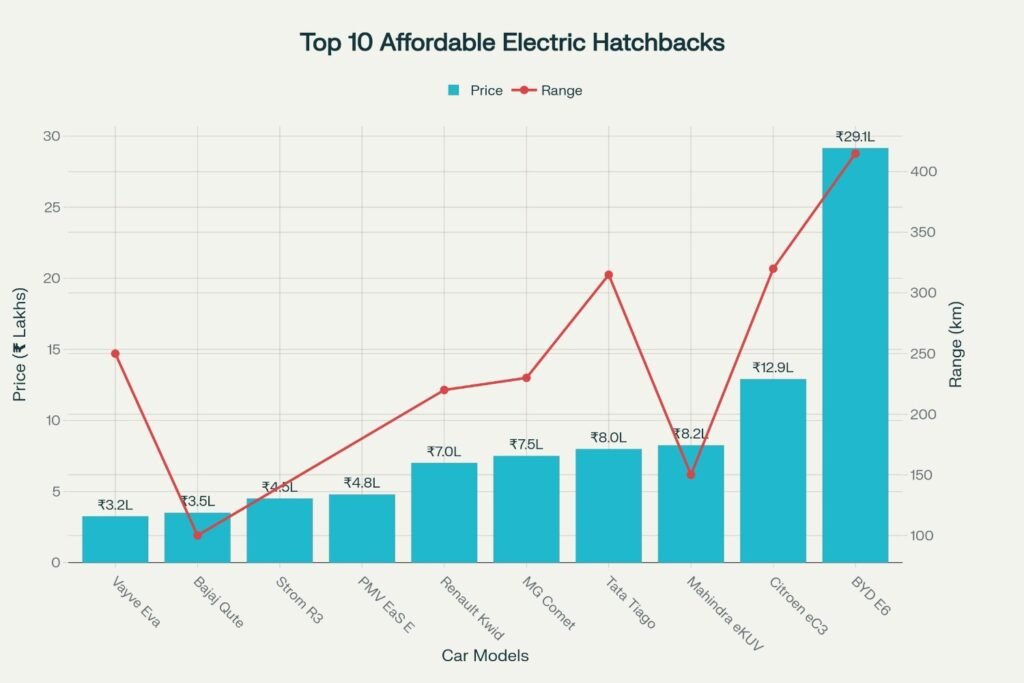
Top 10 Most Affordable Electric Hatchback Cars in India – Complete Price vs Range Analysis
Let me break down all your options, from the ultra-budget picks to the more premium choices.
1. Vayve Mobility Eva – India’s Solar-Powered Pioneer

Price Range: ₹3.25 – ₹4.49 lakhs
Range: 125-250 km (variant-dependent)
Seating: 2 people
Availability: Currently available
The Eva holds the crown for India’s most affordable electric car.
It’s tiny but packed with innovation that bigger brands should learn from.
What makes it genuinely special:
- Solar panels on the roof generate 10 km range daily automatically
- Three battery options: 9 kWh, 12.6 kWh, and 18 kWh
- Fast charging hits 80% in just 45 minutes
- Surprisingly good interiors with dual displays and powered seats
The honest reality:
This is perfect for couples or single professionals who rarely carry passengers.
Two seats limit family practicality, but at ₹3.25 lakhs, it’s hard to complain.
The solar roof genuinely works – you can park in sunlight and get free range daily.
2. Bajaj Qute EV – The Quadricycle Revolution
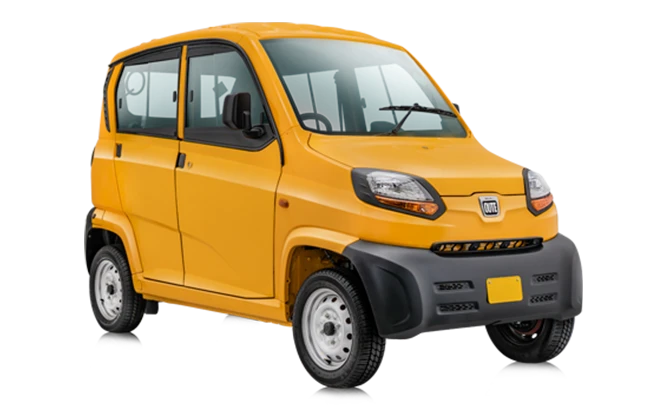
Price Range: ₹3.50 – ₹4.00 lakhs (expected)
Range: 100 km
Seating: 4 people
Availability: Expected 2025-2026
Bajaj is finally bringing the electric version of their successful Qute quadricycle.
This isn’t technically a car – it’s something between an auto-rickshaw and a hatchback.
Key features coming:
- Lithium-ion battery pack
- 70 kmph top speed (city-focused design)
- 4-seater configuration
- Extremely lightweight under 450 kg
- Commercial and private variants planned
What this means for you:
Perfect for city-only driving where parking space is premium.
The quadricycle classification might affect financing options, so check with dealers carefully.
3. Strom Motors R3 – The Unknown Contender
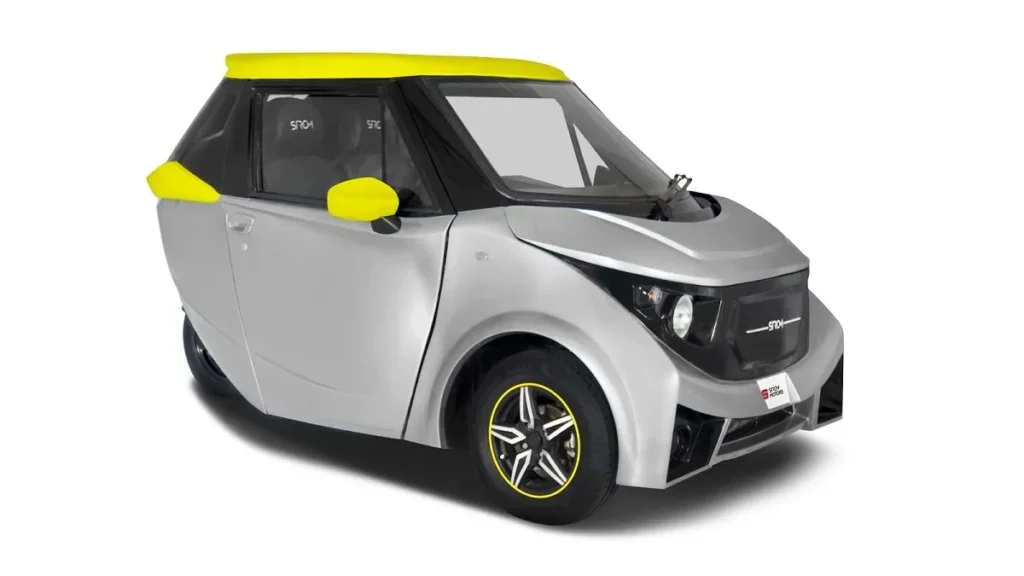
Price Range: ₹4.50 lakhs
Range: Not disclosed
Seating: 2-4 people
Availability: Limited availability
This is one of the lesser-known players in the budget EV space.
Information is limited, but it’s positioned as an ultra-affordable city runabout.
Why I’m cautious:
Limited dealer network and service support.
Unknown long-term reliability.
Check local availability before considering seriously.
4. PMV EaS E – The Basic Electric
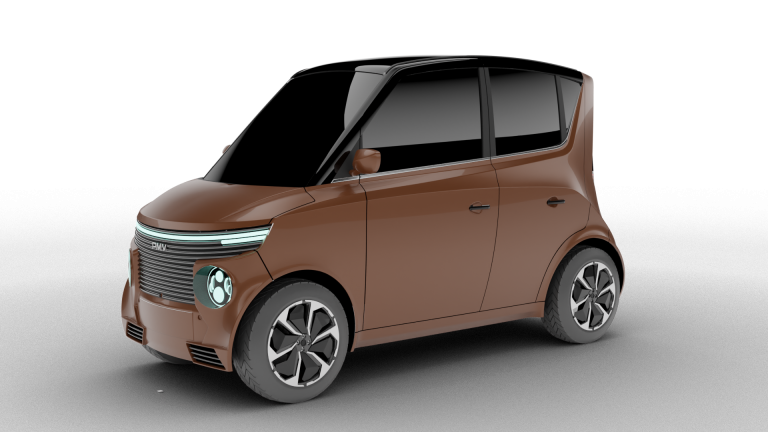
Price Range: ₹4.79 lakhs
Range: Not officially disclosed
Seating: 4 people
Availability: Select cities
Another budget option that’s targeting the ultra-affordable segment.
The challenge:
Limited information on specifications and real-world performance.
Sparse service network compared to established players.
5. Renault Kwid EV – The French Comeback
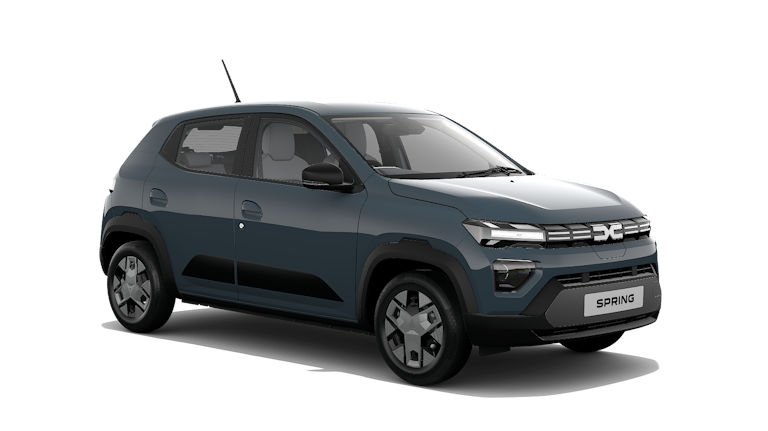
Price Range: ₹7.00 – ₹8.50 lakhs (expected)
Range: 220+ km
Seating: 5 people
Availability: Expected 2026-2027
Renault is preparing to re-enter the Indian EV market with the electric Kwid.
This could be a game-changer given Renault’s global EV experience.
What’s confirmed:
- 26.8 kWh battery pack
- Two power options: 46 PS and 65 PS variants
- 220+ km WLTP range
- Expected to undercut Tiago EV pricing
Why this matters:
Renault has proven EV technology from their European Spring EV.
If they price it right, this could shake up the entire budget EV segment.
Features expected:
- 7-inch digital driver display
- 10-inch touchscreen with wireless connectivity
- Auto AC and wireless phone charger
6. MG Comet EV – The Quirky City Specialist
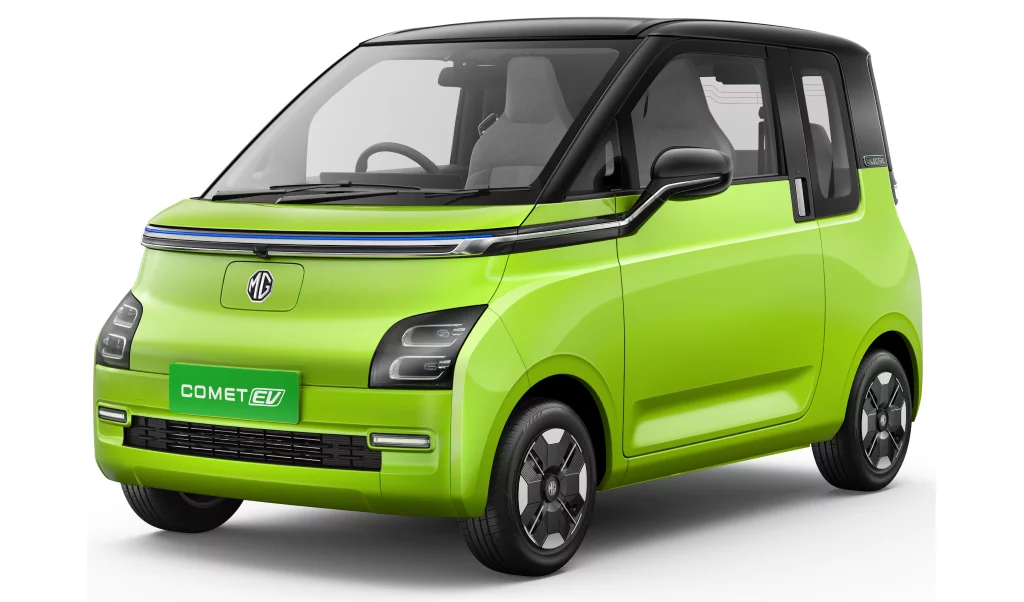
Price Range: ₹7.50 – ₹9.56 lakhs
Range: 230 km
Seating: 4 people
Availability: Currently available
The Comet is MG’s answer to ultra-compact city driving.
At barely 3 meters long, it’s designed specifically for Indian traffic conditions.
Stand-out features:
- Dual 10.25-inch screens creating a tech-forward cabin
- Gaming-style steering wheel controls
- MG’s i-SMART connected car features with voice commands
- Real-world range of 170-190 km in mixed conditions
Owner feedback:
People love the parking advantage and tech features.
Build quality feels solid, but rear seats are cramped for adults.
Highway driving isn’t its strength – this is purely a city car.
7. Tata Tiago EV – The Family Favorite
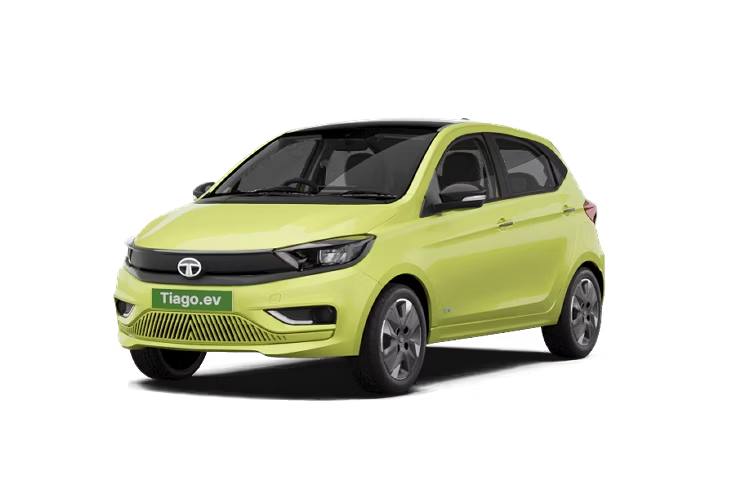
Price Range: ₹7.99 – ₹11.14 lakhs
Range: 250-315 km (battery-dependent)
Seating: 5 people
Availability: Currently available
The Tiago EV remains the most sensible choice for Indian families.
Tata has leveraged their successful ICE platform for a proper electric conversion.
Why families choose this:
- Genuine 5-seater with comfortable rear space
- Two battery options: 19.2 kWh and 24 kWh
- Excellent build quality with 5-star safety potential
- Tata’s extensive service network provides confidence
- Real-world range of 190-230 km with AC running
Complete feature list:
- 7-inch touchscreen with Android Auto and Apple CarPlay
- Automatic climate control across variants
- Multiple drive modes and regenerative braking levels
- Fast charging: 10-80% in about 58 minutes
What actual owners report:
Most get 200 km range in real conditions with AC on.
The car drives smoothly, feels solid, and Tata’s service network provides peace of mind.
Highway performance is decent but not thrilling.
8. Mahindra eKUV100 – The Upcoming SUV Alternative
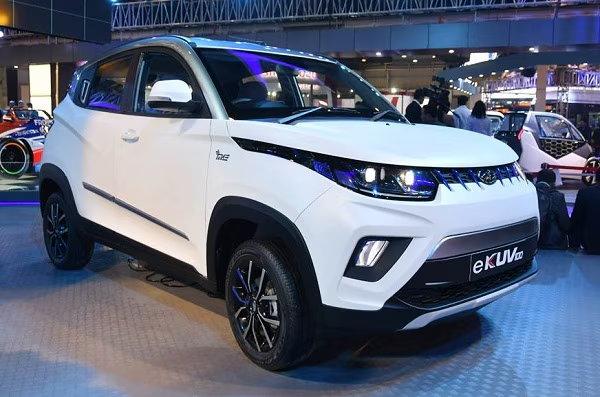
Price Range: ₹8.25 – ₹10.00 lakhs (expected)
Range: 147-150 km
Seating: 5 people
Availability: Expected 2026
Mahindra is finally bringing their electric KUV100 for private buyers.
This will be more SUV than hatchback but priced competitively.
Expected specifications:
- 15.9-40 kWh battery options
- 147-150 km range depending on variant
- Fast charging: 0-80% in 55 minutes
- Higher seating position compared to other hatchbacks
Why this could work:
Mahindra’s EV experience from commercial vehicles.
Higher ground clearance for Indian road conditions.
SUV-like appearance at hatchback pricing.
The waiting game:
Multiple delays have pushed launch to 2026.
Check actual specifications and pricing before committing.
9. Citroen eC3 – The European Touch
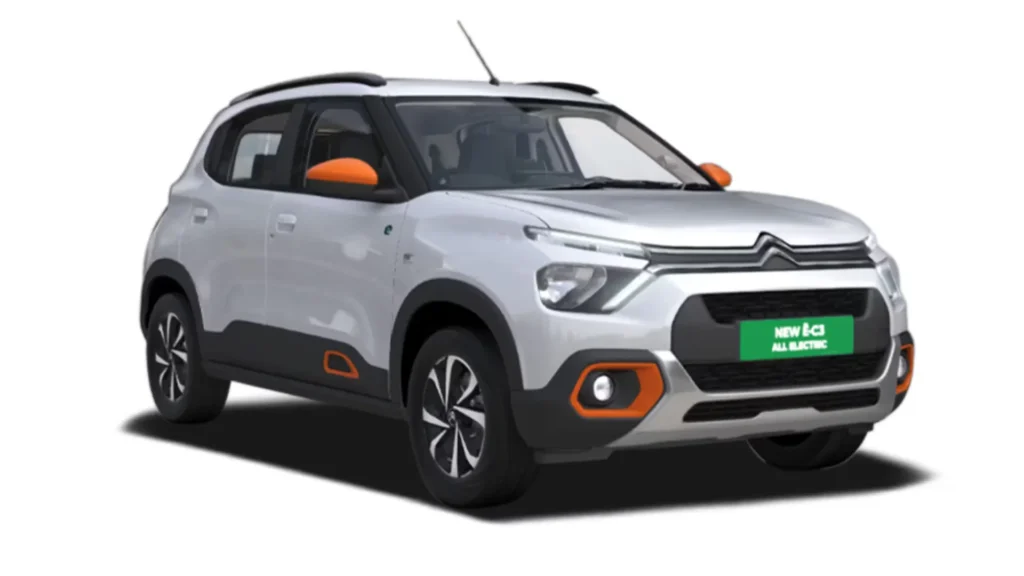
Price Range: ₹12.90 – ₹13.41 lakhs
Range: 320 km
Seating: 5 people
Availability: Currently available
The eC3 brings European design and engineering to India’s EV market.
It’s the most expensive in our list but offers the longest range.
Premium features:
- Largest battery in segment: 29.2 kWh
- 320 km ARAI range (220 km real-world with AC)
- 10.2-inch touchscreen with wireless connectivity
- European build quality and safety standards
The trade-offs:
Significantly higher pricing than Indian alternatives.
Service network is limited compared to Tata or MG.
Real-world range drops to 220 km, which isn’t proportionally better.
Who should consider this:
Buyers who prioritize European engineering.
Those wanting maximum range in the hatchback segment.
Families comfortable with higher upfront costs.
10. BYD E6 – The Premium Chinese Option
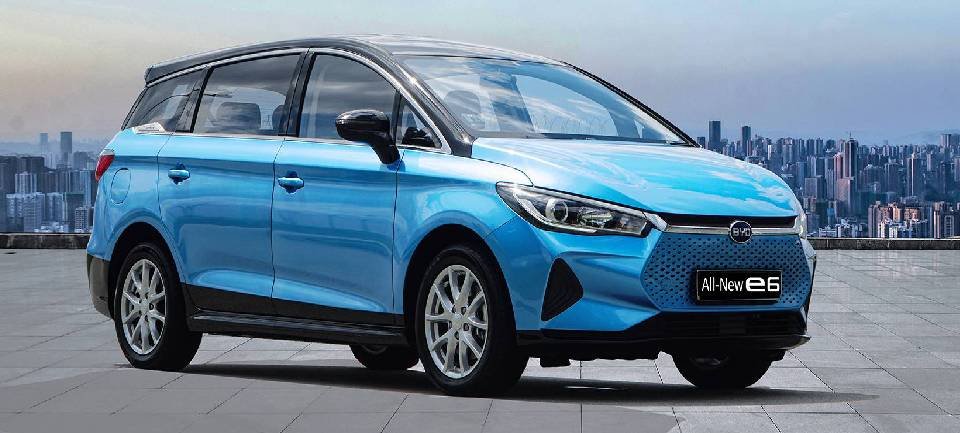
Price Range: ₹29.15 lakhs
Range: 415-520 km
Seating: 5 people
Availability: Currently available
The BYD E6 is technically an MPV but competes in the premium electric space.
It’s way beyond budget territory but offers exceptional range.
Premium specifications:
- 71.7 kWh Blade battery pack
- 415-520 km range (WLTC)
- Advanced safety features and build quality
- Global EV technology and proven reliability
Reality check:
At ₹29+ lakhs, this competes with luxury cars, not budget hatchbacks.
Include it only if budget isn’t a constraint and you want maximum range.
Real-World Performance – What You Actually Experience
Let’s get honest about what these cars deliver in actual Indian driving conditions.
Range Reality Check:
Company claims vs real-world performance differ by 20-35%.
With AC running (essential in Indian summers), expect:
- Tiago EV: 200-220 km instead of 315 km claimed
- MG Comet: 170-190 km instead of 230 km claimed
- Citroen eC3: 220 km instead of 320 km claimed
- Renault Kwid EV: 180-200 km instead of 220+ km expected
City vs Highway Performance:
These cars excel in city stop-start traffic.
Regenerative braking actually adds range during urban driving.
But at highway speeds (80-100 kmph), range drops significantly.
Charging Experience:
Home charging overnight handles 90% of daily needs.
DC fast charging infrastructure is improving in metro cities.
Always plan highway trips around available charging stations.
Charging Infrastructure – Getting Better Every Month
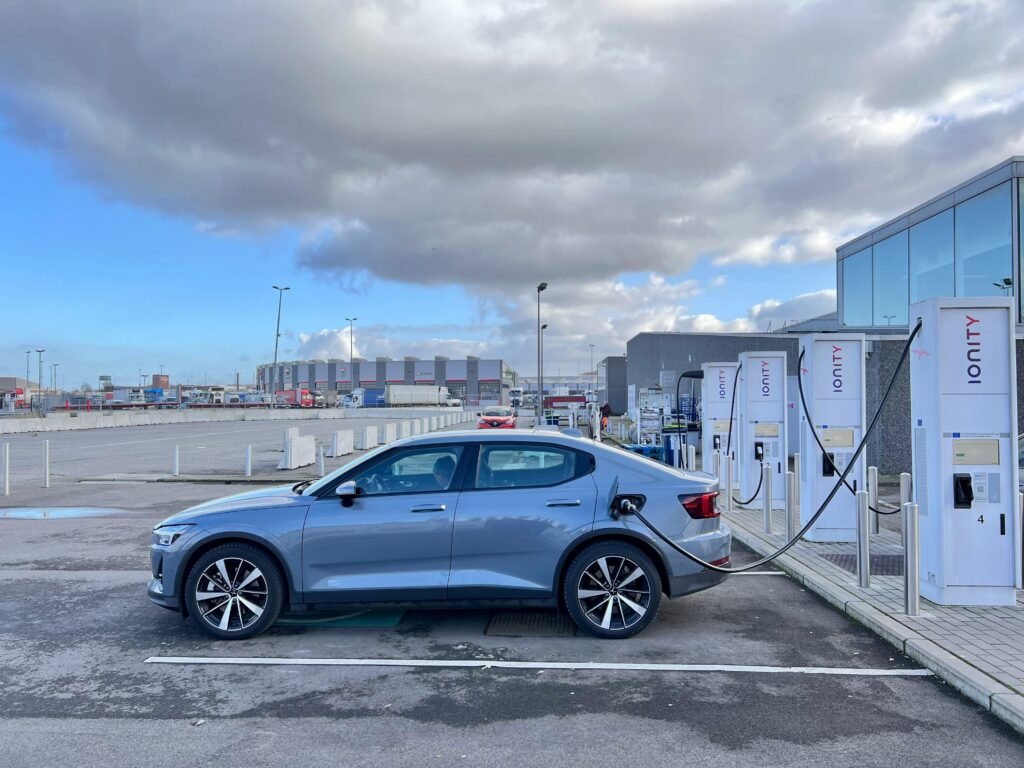
India now has over 12,000 public charging stations across 1,000+ cities.
The numbers look impressive, but ground reality varies by location.
Current Infrastructure State:
- Metro cities have reasonable DC fast charging coverage
- Highway networks improving but still need careful planning
- Home charging remains the primary solution for most users
Major Charging Networks:
- Tata Power EZ Charge – India’s largest network with 55% market share
- Jio-bp Pulse – Rapidly expanding at fuel stations and malls
- ChargeZone – Strong presence in Southern and Western India
- Bolt Earth – Growing network focused on apartments and offices
What This Means Practically:
For daily city commuting, home charging covers all needs.
For weekend highway trips, use charging station apps to plan routes.
The infrastructure gap is closing rapidly – what’s unavailable today might be ready by next year.
Government Support – Money in Your Pocket
The central and state governments are serious about EV adoption, backing it with real financial incentives.
FAME II Scheme Benefits:
- Up to ₹15,000 subsidy on electric two-wheelers
- ₹10,000 per kWh for four-wheelers (maximum 15% of ex-showroom price)
- Additional fast-charging infrastructure development support
State-Level Additional Benefits:
Different states offer extra incentives:
- Complete road tax waiver in most states
- Registration fee exemption
- Dedicated EV parking benefits in select cities
- Some states offer additional purchase subsidies
Real Savings Example:
On a ₹8 lakh Tiago EV:
- FAME II subsidy: ₹15,000-20,000
- Road tax saved: ₹40,000-60,000
- Registration benefits: ₹5,000-10,000
- Total savings: ₹60,000-90,000
Check with local dealers for exact benefits in your state.
Running Costs – The Numbers That Change Everything
This is where electric cars become genuinely compelling for Indian families.
Monthly Fuel Cost Comparison (1,000 km):
| Car Type | Monthly Cost | Annual Cost |
|---|---|---|
| Petrol Car (15 kmpl) | ₹6,700 | ₹80,400 |
| Electric Car | ₹900-1,300 | ₹10,800-15,600 |
| Monthly Savings | ₹5,400-5,800 | ₹65,000-70,000 |
5-Year Maintenance Comparison:
| Maintenance Aspect | Petrol Car | Electric Car |
|---|---|---|
| Regular Service | ₹30,000 | ₹18,000 |
| Oil Changes | ₹15,000 | ₹0 |
| Filter Replacements | ₹8,000 | ₹2,000 |
| Brake Maintenance | ₹12,000 | ₹4,000 |
| Total 5-Year | ₹65,000 | ₹24,000 |
Total 5-Year Savings:
- Fuel cost savings: ₹3.25-3.50 lakhs
- Maintenance savings: ₹41,000
- Combined savings: ₹3.65-3.90 lakhs
That’s like getting a significant discount on your car purchase when you factor in lifetime costs.
Upcoming Models – What’s Launching in 2025-26
The next 24 months will bring several exciting options to the affordable EV space:
Maruti e-Vitara (December 2025)
While technically not a hatchback, this will be Maruti’s first serious EV.
Expected pricing: ₹17-22 lakhs with 500+ km range.
With Maruti’s extensive service network, this could change the entire game.
Renault Kwid EV (2026-2027)
The most anticipated budget EV launch.
Expected to undercut Tiago EV pricing while offering European technology.
MG 4 EV (Early 2026)
A proper sporty hatchback with international pedigree.
Expected pricing around ₹25-30 lakhs with 450+ km range.
Hyundai Compact EV (2026)
Hyundai is developing India-specific affordable EVs.
Expected to leverage their global EV platform for Indian conditions.
Bajaj Qute EV (2025-2026)
The most affordable 4-wheeler EV, targeting commercial and private buyers.
Your Complete Electric Hatchback Buying Guide
Step 1: Define Your Usage Pattern
- Daily driving: 30-50 km = Any car in this list works
- Occasional long trips: Choose 200+ km range options
- City-only usage: Comet EV or Eva are sufficient
Step 2: Set Your Realistic Budget
- Under ₹5 lakhs: Eva, Bajaj Qute EV (when available)
- ₹7-10 lakhs: Tiago EV, Comet EV, Kwid EV (expected)
- ₹10-15 lakhs: eC3, eKUV100 (expected)
- Above ₹15 lakhs: Wait for premium options launching soon
Step 3: Verify Home Charging Setup
Essential requirement: Dedicated parking with electrical access.
Most cars include portable chargers working with regular 15A sockets.
For faster charging, consider installing a dedicated wall-box charger.
Step 4: Check Local Service Network
- Tata: Best service network across India
- MG: Good metro coverage, expanding to smaller cities
- Citroen: Limited but improving
- Others: Verify local dealer and service availability
Step 5: Plan for Longer Journeys
Download multiple charging apps: Tata Power EZ Charge, ChargeZone, Jio-bp Pulse.
Test route planning for trips beyond your car’s range.
Consider backup plans for charging failures.
Common Concerns – Honest Answers
“What if battery fails after warranty?”
Modern EV batteries carry 8-10 year warranties.
Real-world data shows minimal degradation in the first 5-7 years.
Battery replacement costs are dropping 15-20% annually as technology improves.
“Charging infrastructure is still poor”
True for highways, but improving rapidly.
For city usage (90% of driving), home charging solves everything.
New charging stations are being added daily across major routes.
“Electric cars are slower than petrol cars”
For city driving, electric cars feel quicker due to instant torque.
Highway overtaking might be slower, but most Indian driving happens below 60 kmph anyway.
“What about power cuts?”
Most EV owners charge during late night when power cuts are minimal.
Many residential complexes now have backup power for essential services.
Charging during office hours at workplace charging stations is another option.
“Resale value will be terrible”
Early indicators suggest electric cars hold value better than expected.
As petrol prices rise and EV infrastructure improves, demand for used EVs is growing.
The key is buying from established brands with good service networks.
My Personal Recommendations
After extensive research and real owner feedback, here are my honest suggestions:
Best Overall Choice: Tata Tiago EV
Perfect balance of price, practicality, range, and service network confidence.
Real 5-seater with proven reliability and extensive service support.
Best Budget Pick: Vayve Mobility Eva
If 2 seats work for your usage, the solar roof innovation and ₹3.25 lakh pricing are unbeatable.
Genuinely innovative technology at an incredible price point.
Best Upcoming Option: Renault Kwid EV
Wait till 2026 if you can – Renault’s global EV expertise could offer the best value proposition.
Expected to undercut existing options while offering European technology.
Best for Tech Lovers: MG Comet EV
The most advanced infotainment and connected features.
Perfect if you prioritize technology and rarely need rear passenger space.
Best for Range Anxiety: Citroen eC3
Highest real-world range in the segment, though at a premium price.
Choose this if occasional long trips are important and budget allows.
The Final Word
Electric hatchbacks in India have crossed the tipping point.
They’re no longer experimental technology – they’re practical, economical transportation that makes sense for most Indian families.
The key is choosing based on your actual needs, not fears or aspirations.
Here’s the reality:
- Technology is mature and reliable
- Running costs are genuinely lower
- Infrastructure is improving rapidly
- Government support makes them more affordable
The smart approach:
Test drive multiple options, calculate your real usage patterns, and choose what fits your daily routine.
Don’t buy based on extreme scenarios you’ll face once a year.
Most importantly:
The transition to electric mobility is inevitable in India.
Starting now gives you the experience and confidence to make better decisions as technology and options improve.
The best electric hatchback is the one that you’ll actually buy and drive confidently every day.
Whether that’s a ₹3.25 lakh Eva or a ₹13 lakh eC3 depends entirely on your family’s specific needs and budget.
Just remember – every day you delay, you’re spending more on petrol while missing out on the smoothest, quietest, and cheapest driving experience available today.
