
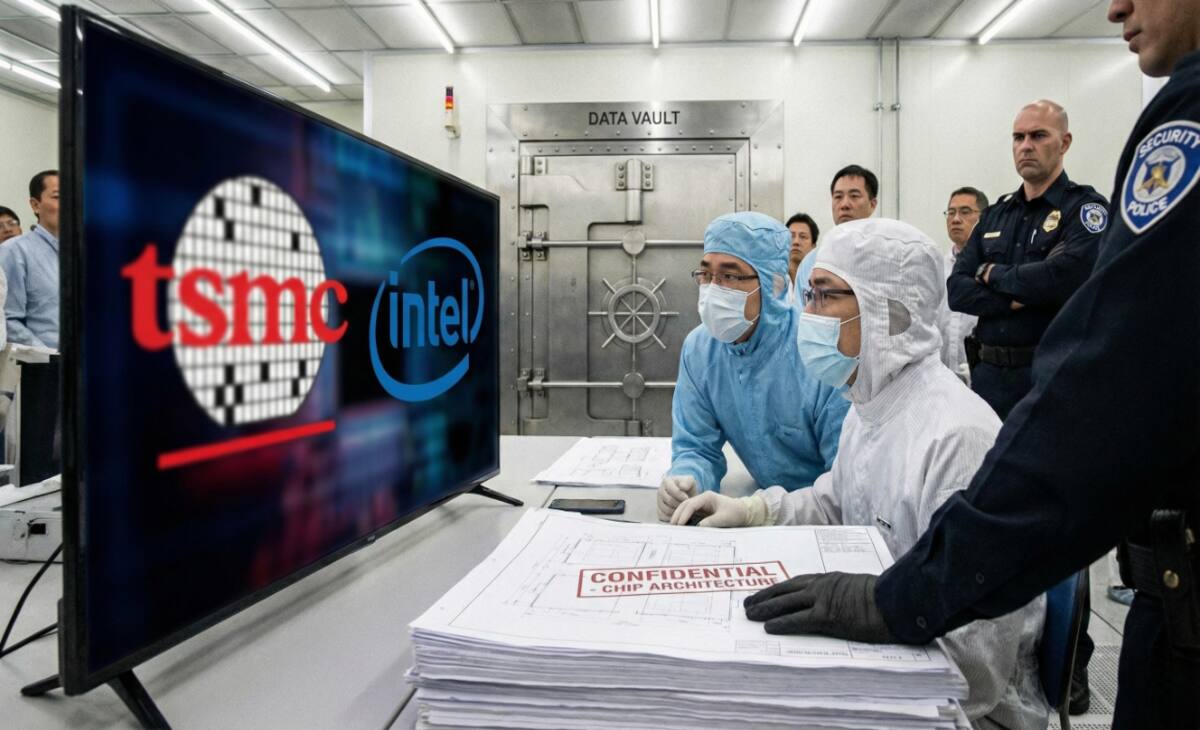

Taiwan Semiconductor Manufacturing Company (TSMC), the titan behind the world’s most advanced chips, is making global news. TSMC announced Tuesday it has filed an explosive lawsuit against a former senior executive, Lo Wei-Jen, alleging he leaked company secrets after jumping ship to rival chipmaker Intel.
Lawsuit Details Rocking Semiconductor Industry
The news broke that TSMC filed the legal complaint in Taiwan’s Intellectual Property and Commercial Court. The case hinges on claims that Lo, after a 21-year tenure, took TSMC’s crown-jewel technology—vital details on their 5nm, 3nm, and 2nm chip processes—straight to Intel. TSMC’s court filing says there’s a “high probability that Lo uses, leaks, discloses or transfers TSMC’s trade secrets and confidential information to Intel.” The company cited Mr. Lo’s employment and non-compete agreements in their legal strategy.
Executive’s Career Under Scrutiny
Lo Wei-Jen, once a major force behind TSMC’s groundbreaking chip products, retired from the company in July before resurfacing at Intel in October. Local media reports raise concerns he may have carried confidential materials—potentially as much as 80 boxes of proprietary data—when leaving TSMC. Lo, before his decades at TSMC, already spent 18 years at Intel and reportedly now answers directly to Intel CEO Lip-Bu Tan.
Govt Response and Security Implications
Taiwan’s Ministry of Economic Affairs swiftly responded. The ministry emphasized it respects TSMC’s legal rights and is watching for national security risks. Authorities are investigating whether Lo’s actions constitute a violation of Taiwan’s strict National Security Act, specifically regarding core semiconductor technology.
- Quote, TSMC spokesperson:
“Protecting our trade secrets is not only a corporate matter but a national concern.” - Quote, Taiwan’s Economy Ministry:
“We will fully cooperate with investigating authorities and closely monitor the case.”
Chip War Context – Why This Matters Globally
- TSMC makes over 90% of the world’s most advanced chips—powering everything from AI servers to iPhones.
- Industry experts warn that, if TSMC’s secret recipes land at Intel, it could massively shake up global tech competitiveness.
- The US has poured billions into chip-making subsidies and recently acquired a 10% equity in Intel to combat supply chain risks as global chip battles heat up.
Technology Transfer Fears Intensify
International chip wars grow hotter as top engineers swap companies. The Lo case is only the latest clash over chip IP—a similar TSMC dispute with staff joining Tokyo Electron, Japan, has led to arrests in 2025. Previous courtroom skirmishes involving former executives moving to Samsung and SMIC have already set legal precedents.
Security, Innovation, and Industry Fallout
- Corporate espionage fears escalate with every ex-executive lawsuit.
- Chip innovation depends on both collaboration and rock-solid security.
- TSMC’s move may “set the bar” for future IP leaks and hiring practices across the semiconductor world.
What Happens Next?
The court battle could last months. Should TSMC prove Lo transferred secrets, damages could run high, and the case will likely force tighter control on talent mobility. Meanwhile, Intel maintains that it respects IP protections and denies any wrongdoing.
Global Reactions and Industry Impact
- Chinese and US chip interests are closely watching.
- Silicon Valley and Taipei’s national security teams are on high alert.
- Legal experts predict more such lawsuits as geopolitical chip rivalry escalates.

Leave a Reply