
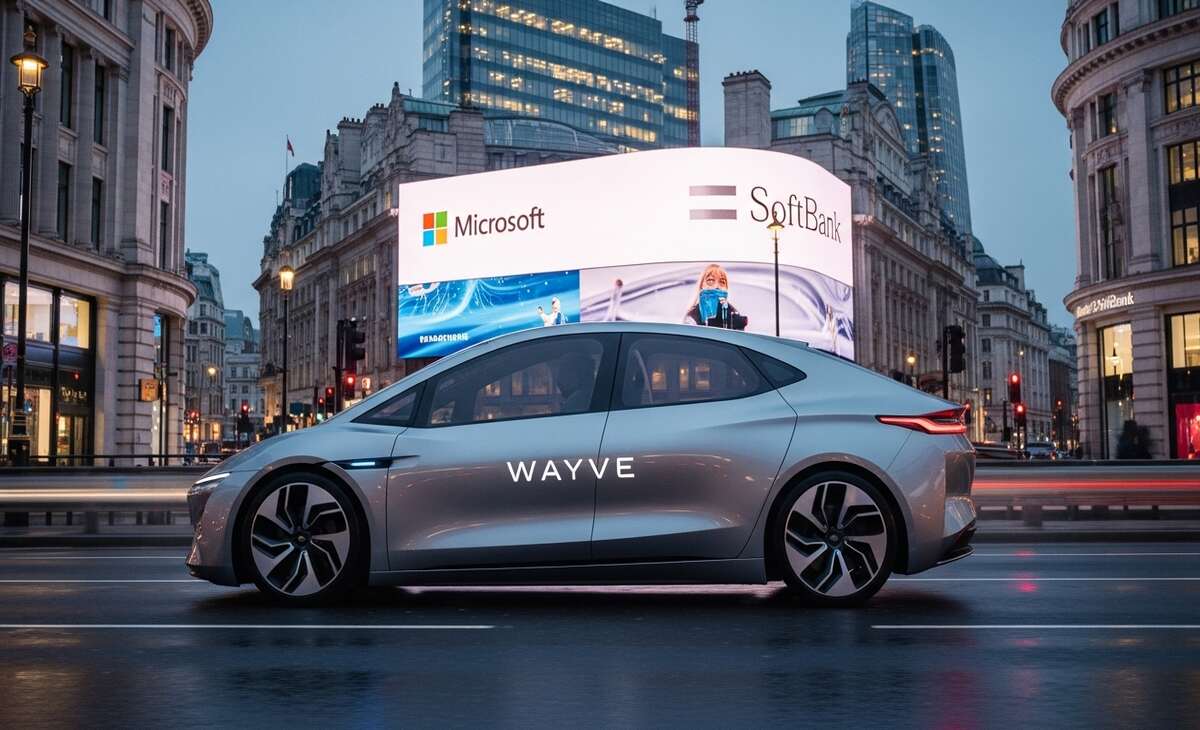

Tech Titans Dive into UK AI Startup Scene
Wayve Technologies, a London-based firm making self-driving cars smarter, now draws the world’s tech giants for a game-changing investment. October 2025 sees reports swirl: Microsoft and SoftBank might pump $2 billion into the boldly ambitious startup, say Financial Times sources. If greenlighted, Wayve’s market value could jump rocket-high to $8 billion, showing just how heated the race for AI-powered transport is getting.
Valuation—Numbers Grow Fast in Auto Tech
Rumors have been spreading for weeks, and industry insiders buzz on social media. Sources say talks stand at an early stage; there’s no handshake yet, but both sides are keen. Wayve, having locked $1 billion already last year, makes it a favorite for the next unicorn leap. Uber snuck in with its own mysterious investment earlier this year. Nvidia, the chip powerhouse, just signed a September intent letter for a possible $500 million stake, shining more attention on Wayve from every corner of the AI globe.
What Wayve Builds—AI Drives, Humans Relax
Founded in 2017, Wayve takes a super flexible path on self-driving: using machine learning with regular camera sensors, skipping detailed digital maps. Their cars learn from real traffic, not just code or rules—every mistake, every new road, gets the system a bit smarter. The company runs trial robot taxis in London right now. Testing keeps spreading: Germany and Japan are next, as engineers chase safety and adaptation.
Who’s in the Ring—Microsoft, SoftBank, Nvidia, Uber
Microsoft, with big Azure AI cloud support and hunger for smart infrastructure, finds Wayve positioned perfectly for city mobility shakeups. SoftBank, no stranger to giant tech bets, has pushed billions in recent years into everything from chipmakers to digital banks and seems eager to back the UK’s top automobility challenger. Nvidia, key to Wayve’s computing muscle thanks to their neural network chips, deepens the link between the startup and the world’s biggest AI engine builder. Uber keeps quiet on its investment, but analysts guess it’s all about capturing the next-gen ride-hailing edge.
Market Moves—AI, Transport, Global Shifts
Money floods the AI. nothing like since the internet boomed. Wayve stands at crossroads: autonomous vehicles, electric revolution, and data-driven logistics. Analysts point out that real competition heats up, as Wayve is not alone—US and Asian players race for robotaxi, delivery, and last-mile transport wins. But the UK’s government gives lots of grants and tech support, making London an ideal ground zero.
Challenges—Not All Smooth Roads
Some hurdles exist. Lawmakers globally struggle to keep regulations in sync with cars that think for themselves. Insurance and traffic safety agencies demand proof AI cars handle surprises—bad weather, unpredictable drivers, and road work. Wayve’s pure machine-learning strategy isn’t universally accepted yet, so UK pilot projects play a key part in future adoption.
Investors: Betting on Autonomous Futures
Big bets can mean big risks. Early-stage discussions like these often fall apart, note veteran analysts. But industry signals are clear: big US funds, sovereign wealth hubs from Asia, and top global banks now all want their bite of the auto AI pie.
Looking Ahead—Next Milestones
Industry watchers expect news by the end of 2025: Will Wayve’s funding round close at $2 billion, or possibly more? What partnerships may emerge after SoftBank and Microsoft? And which automakers will partner earliest to bring “Wayve inside” mass production? For now, the buzz stays sharp. London’s startup scene beams as the world turns eyes toward the next moonshot on city streets.
(Source: thehindubusinessline, thestandard, seekingalpha)

Leave a Reply